
Vreeland, Susan: 1946-2017
The Passion of Artemisia, 2002 - Before Reading (AI Created)
- Before reading The Passion of Artemisia, it helps to know a few key historical and artistic ideas. The novel is historical fiction based on the life of Artemisia Gentileschi, so some events are real while others are dramatized.
- 1. Artemisia Gentileschi was a real artist
Artemisia (1593–1653) was one of the most important painters of the Italian Baroque period.
She trained in her father’s workshop when women had very limited access to professional artistic education.
Example: While many women were expected to marry and manage households, Artemisia pursued a career painting large, ambitious historical scenes. - 2. The novel blends fact and fiction
Many major events are based on historical records.
Dialogues, thoughts, and some personal details are imagined by the author.
Example: We know Artemisia painted certain works and lived in specific cities, but conversations between characters are largely fictional. - 3. Women's opportunities were very restricted
Seventeenth-century Italy offered few paths to independence for women.
Women often needed male relatives to gain education, income, or social standing.
Example: Artemisia's struggle to be recognized as a professional painter is a major theme in the novel. - 4. Understanding the Baroque style helps
Baroque art emphasized drama, emotion, movement, and strong contrasts of light and dark.
Artemisia's paintings are known for their emotional intensity.
Example: Instead of calm, idealized figures, Baroque artists often showed moments of action, conflict, or intense feeling. - 5. Caravaggio's influence was enormous
Artemisia worked in an artistic world shaped by Caravaggio.
His dramatic lighting and realism influenced many painters.
Example: A scene lit by a single candle with deep shadows is a classic Baroque effect often associated with Caravaggio's style.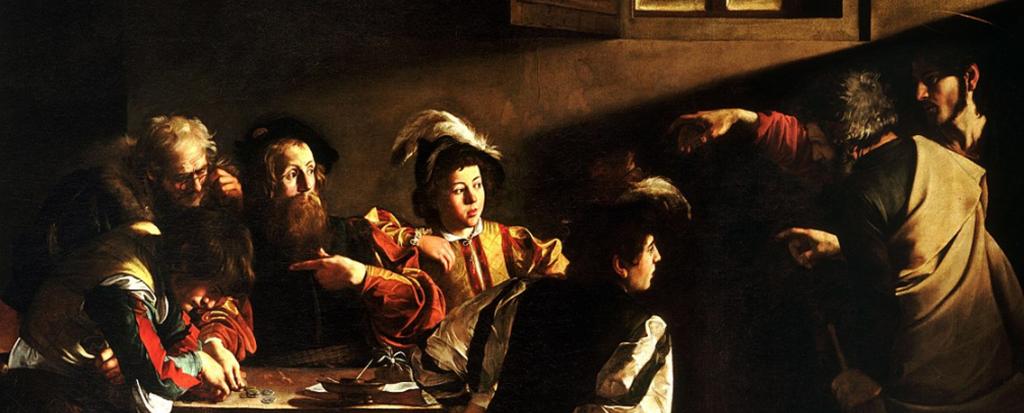
- 6. The famous trial is historically important
One of the best-known events in Artemisia's life involved a sexual assault case and a subsequent court trial.
The trial records survive and provide historians with unusual details about her life.
Example: Historians can read testimony from the proceedings, making this part of her story better documented than many aspects of women's lives at the time. - 7. Her paintings often feature powerful women
Many of Artemisia's most famous works portray women from the Bible, mythology, and history.
Readers often connect these subjects to her personal experiences.
Example: Her painting of Judith defeating Holofernes presents Judith as strong and decisive rather than passive.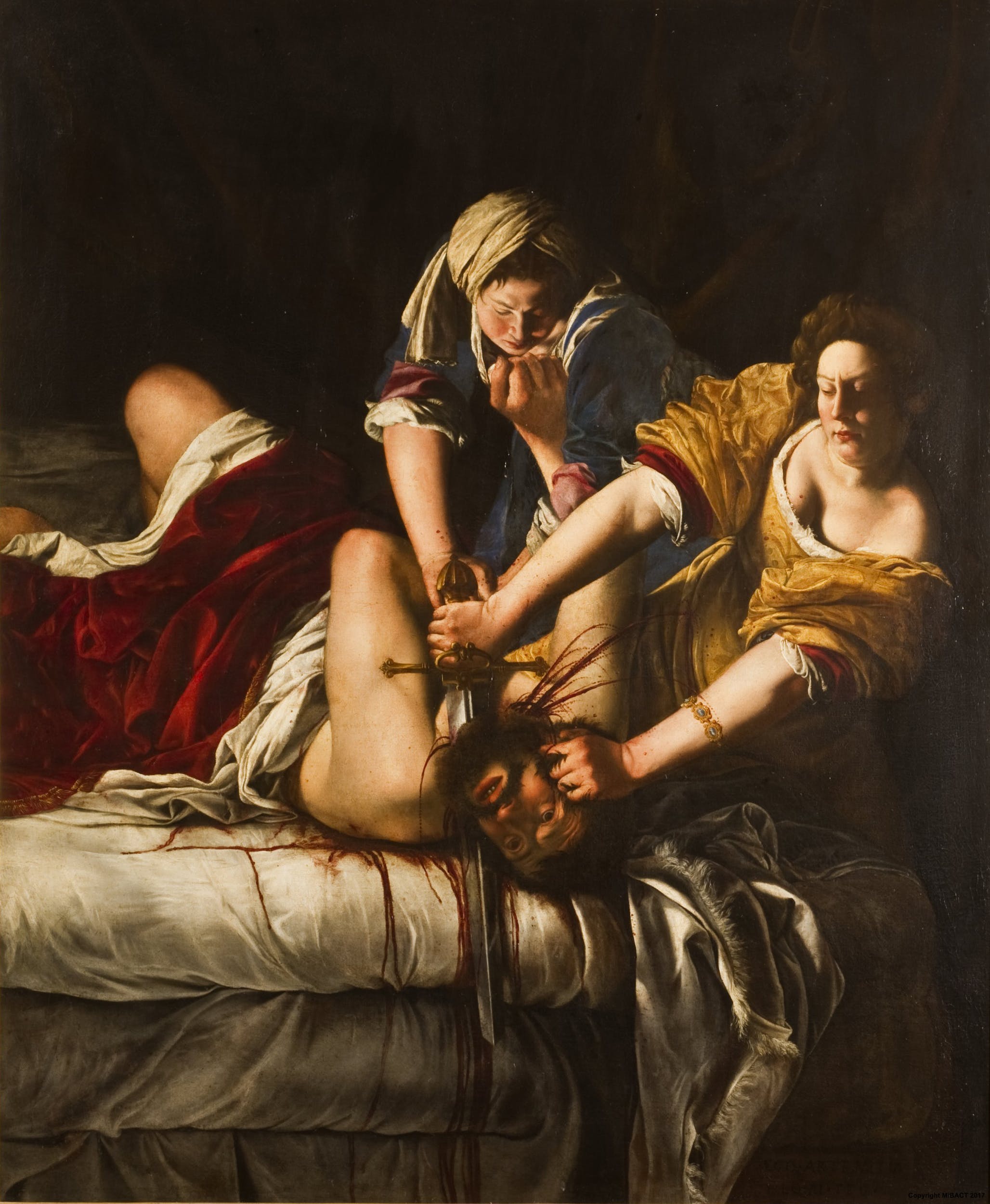
- 8. Several Italian cities play major roles
Artemisia lived and worked in places such as Rome, Florence, Venice, and Naples.
Each city had different artistic communities and patrons.
Example: Florence offered opportunities that helped her gain wider recognition. - 9. Patronage mattered more than modern art markets
Artists usually depended on wealthy patrons, nobles, churches, or rulers.
Success often required social connections as much as artistic skill.
Example: A noble family might commission a painting and provide income, reputation, and future opportunities. - 10. The novel explores ambition as much as art
The story is not only about painting.
It also focuses on independence, reputation, family expectations, and resilience.
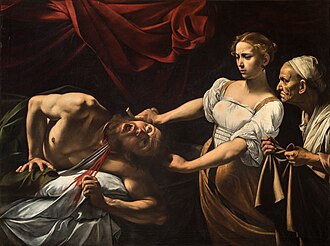
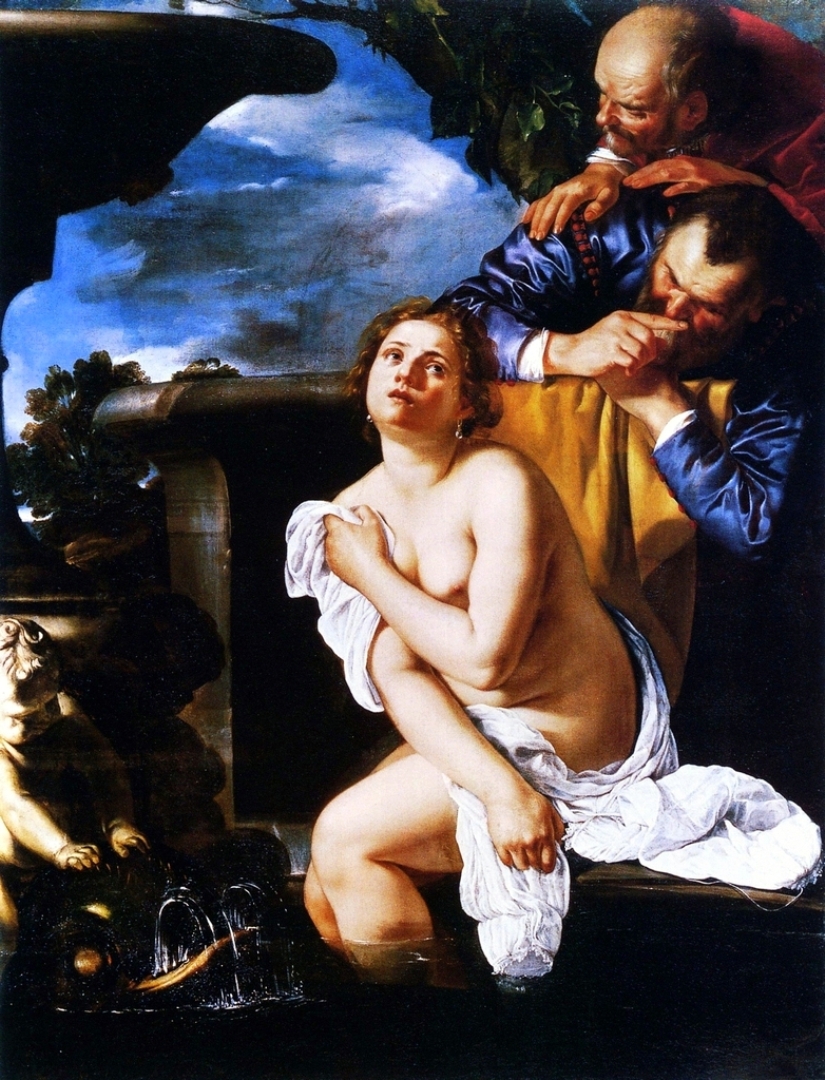
Example: Artemisia frequently faces choices between personal freedom and social acceptance. - 11. Knowing a few paintings beforehand enriches the reading
Look out for:
- Judith Slaying Holofernes
-
- Susanna and the Elders
-
- Self-Portrait as the Allegory of Painting
-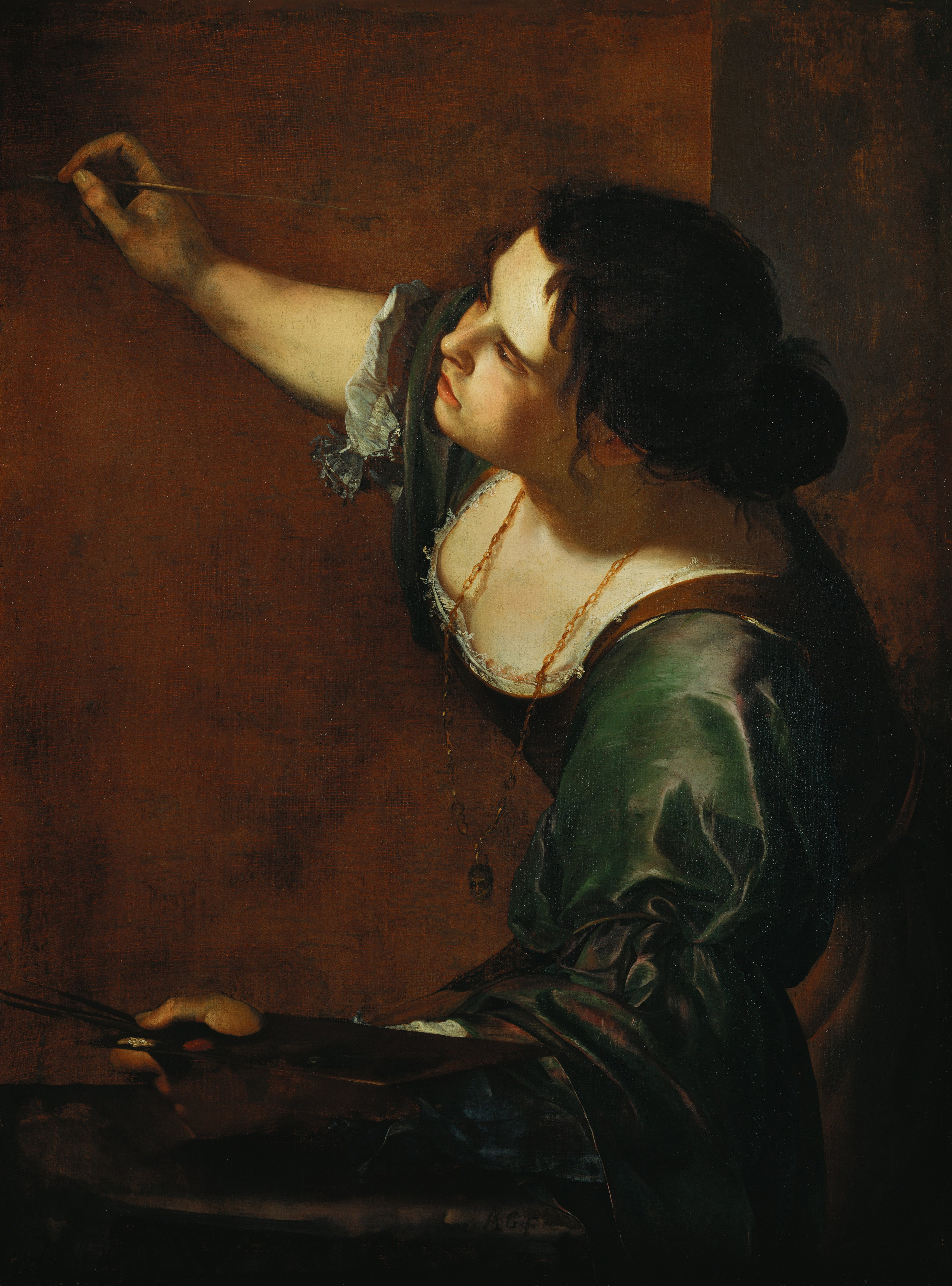
Example: When the novel discusses the creation of a painting, knowing what the finished artwork looks like can make the scene much more meaningful. - 12. A useful mindset while reading
Ask yourself:
- Which events are documented history?
- Which parts seem fictionalized?
- How do Artemisia's experiences appear in her artwork?
- How does the novel portray the challenges faced by women artists?
These questions can help you appreciate both the historical Artemisia and the novel's interpretation of her life.
- 1. Artemisia Gentileschi was a real artist