
Steinbeck, John: 1902-1968
Of Mice and Men, 1937 - Before Reading (AI Created)
- Before reading Of Mice and Men, it helps to understand the historical setting, themes, and symbols that shape the story.
- 1. The Great Depression (1930s America)
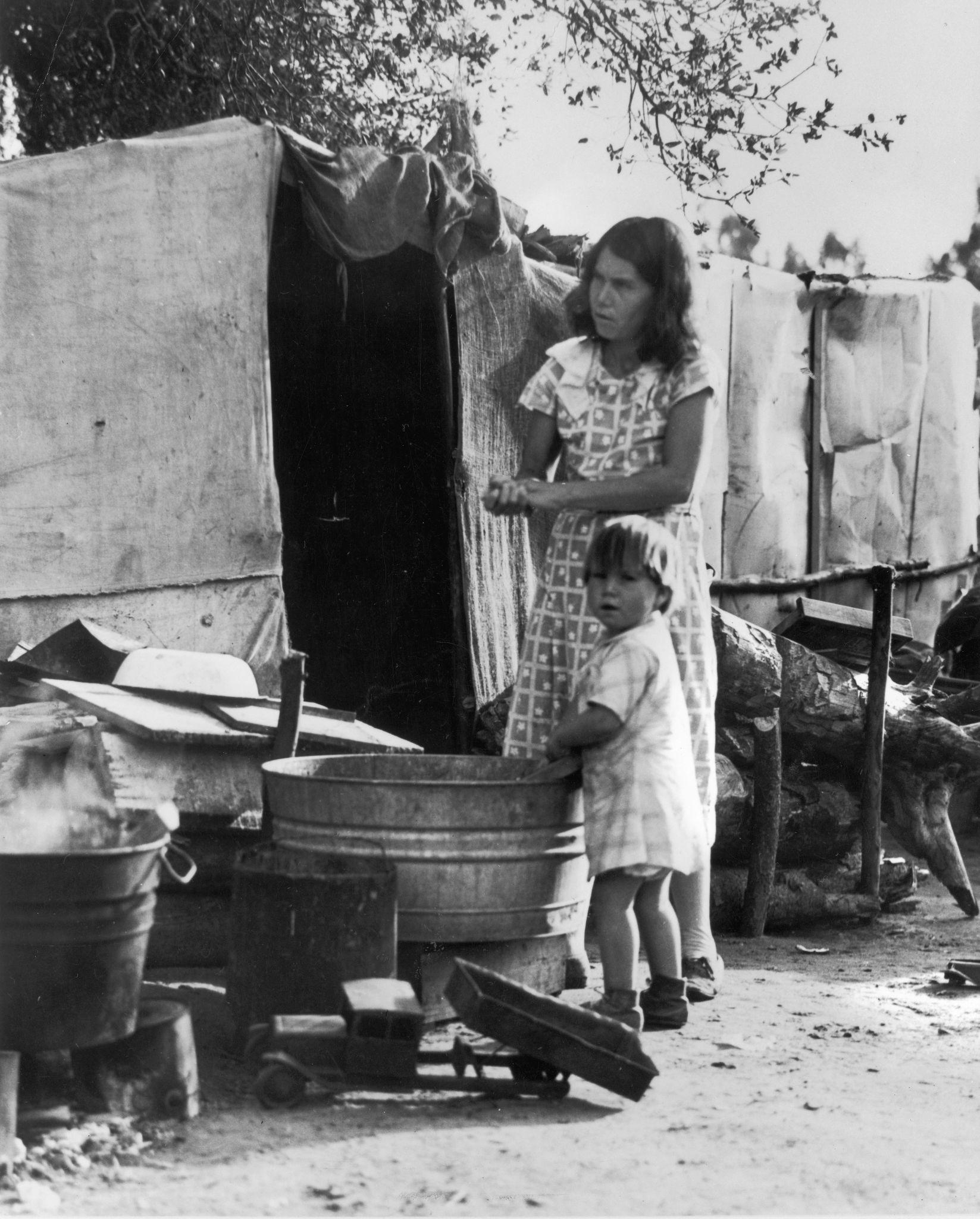
The story takes place during the Great Depression, when millions of people lost jobs and homes after the stock market crash of 1929.
Why it matters:
- Many people traveled constantly looking for work.
- Jobs were temporary and poorly paid.
- Workers often felt insecure and lonely.
Example: George and Lennie move from ranch to ranch because steady employment is hard to find. - 2. Migrant Ranch Workers
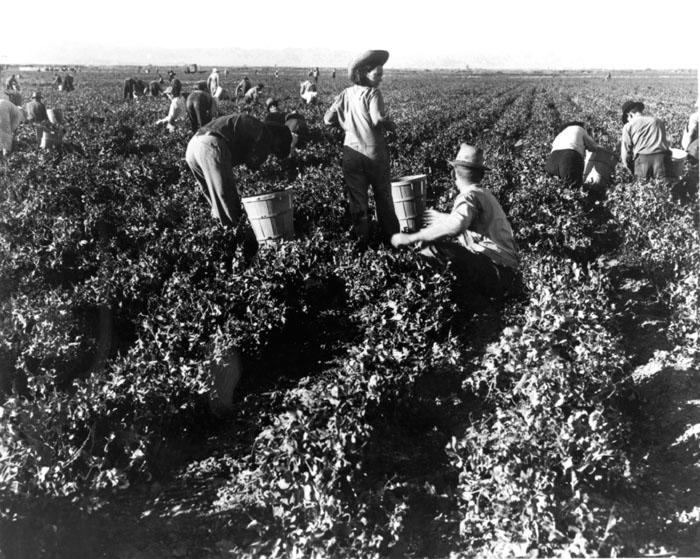
George and Lennie are migrant laborers—workers who travel from place to place following seasonal jobs.
Why it matters:
- Most workers had no permanent home.
- They lived in bunkhouses provided by employers.
- Friendships were uncommon because workers moved so often.
Example: Other ranch workers are surprised that George and Lennie travel together. - 3. The American Dream
A major theme is the American Dream—the belief that hard work can lead to success and a better life.
Why it matters:
- Many characters have dreams they hope will improve their lives.
- The novel asks whether such dreams are realistic.
Example: George and Lennie dream of owning a small farm where they can be independent and raise rabbits. - 4. Friendship vs. Loneliness
One of the most important ideas in the book is the contrast between friendship and isolation.
Why it matters:
- Most characters feel lonely.
- George and Lennie's friendship is unusual and valuable.
Example: George often complains about caring for Lennie, but he also protects him and stays with him. - 5. Lennie's Disability
Lennie has an intellectual disability. Steinbeck wrote before modern disability terminology existed, so some language and attitudes may feel outdated today.
Why it matters:
- Lennie struggles to understand consequences.
- He depends heavily on George.
- Many key events result from misunderstandings rather than bad intentions.
Example: Lennie often forgets instructions even when George carefully explains them. - 6. Power and Social Status
People on the ranch have different levels of power.
Why it matters:
- Some characters can influence others because of their position.
- Others are vulnerable because of age, race, gender, or disability.
Example: The boss's son has authority even though he is not necessarily respected by everyone. - 7. Racism in 1930s America
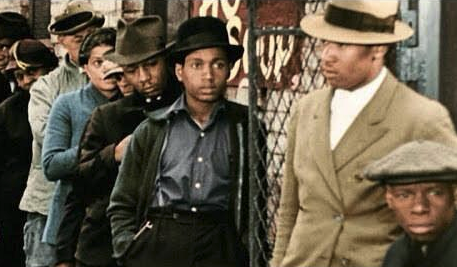
The novel reflects the racial prejudice that existed in the United States during that period.
Why it matters:
- Some characters experience discrimination.
- The book portrays social realities of its time.
Example: One ranch worker is isolated partly because of racial prejudice.. - 8. Gender Expectations
Women had fewer opportunities and rights than men in many areas of society.
Why it matters:
- Female characters are judged differently from male characters.
- The novel explores how limited choices can create frustration.
Example: A key female character dreams of a different life but feels trapped by her circumstances. - 9. Animals as Symbols
Animals appear throughout the story and often symbolize human experiences.
Why it matters:
- Rabbits symbolize hope and dreams.
- Dogs can symbolize aging, usefulness, and vulnerability.
- Small animals often connect to Lennie's love of soft things.
Example: Lennie's excitement about tending rabbits becomes a symbol of his dream for the future. - 10. Foreshadowing
Steinbeck frequently hints at future events.
Why it matters:
- Small details early in the story often become important later.
- Readers should pay attention to repeated warnings and symbols.
Example: Conversations that seem casual often contain clues about what may happen later. - 11. The Setting: California's Salinas Valley
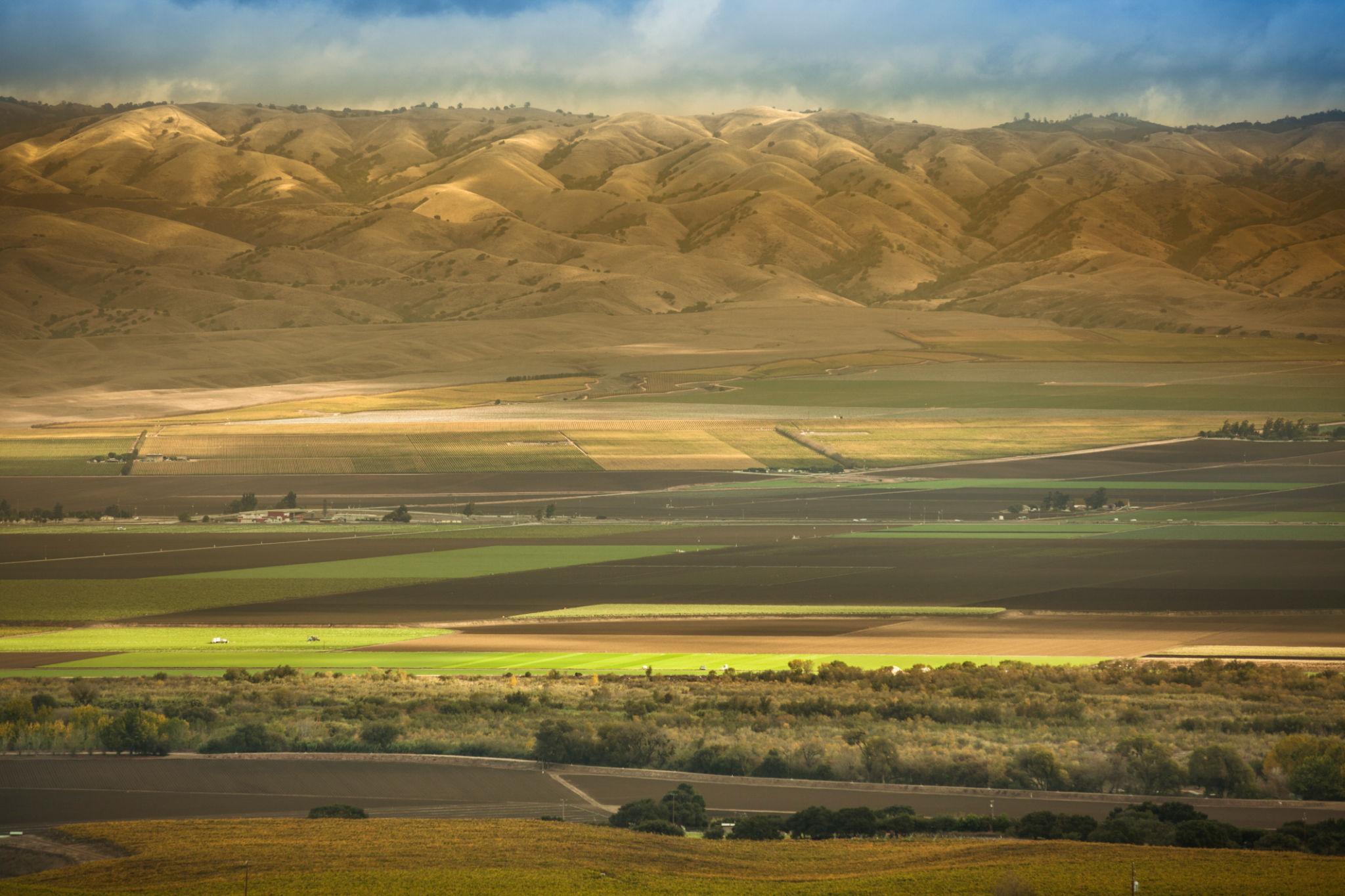
The story is set in California, especially around the agricultural region of the Salinas Valley, where Steinbeck grew up.
Why it matters:
- Steinbeck knew this environment firsthand.
- The landscape often reflects the mood of the story.
Example: The peaceful natural settings contrast with the hardships faced by the characters - 12. It's a Novella, Not a Long Novel
Mice and Men is a novella—shorter than a typical novel.
Why it matters:
- Every scene has a purpose.
- There are relatively few characters.
- Themes and symbols appear repeatedly and clearly.
Example: Because the book is short, even small conversations can have major significance later. - 12. Quick Reading Checklist
Before you start, remember these 5 key ideas:
- The story takes place during the Great Depression.
- George and Lennie are migrant workers.
- The American Dream is central to the plot.
- Friendship and loneliness are major themes.
- Watch for symbols (rabbits, dogs, nature) and foreshadowing.
Knowing these points will make the characters' choices, conflicts, and themes much easier to understand as you read.
- 1. The Great Depression (1930s America)