
Wright, Richard: 1908-1960
Native Son, 1940 - Before Reading (AI Created)
- Before reading Native Son, it helps to understand the historical and social world that shaped the story.
- 1. The novel takes place in a segregated America
In 1940, many Black Americans faced discrimination in housing, jobs, education, and daily life.
Example: A Black family might be prevented from renting an apartment in a better neighborhood even if they could afford it.
Why it matters: The main character's choices are heavily influenced by the barriers society places around him. - 2. Chicago is almost a character in the story
The novel is set in Chicago, especially the overcrowded South Side where many Black families lived.
Example: Families often shared small apartments because housing options were limited.
Why it matters: The city creates pressure, fear, and frustration that affect the characters. - 3. The Great Migration shaped the setting
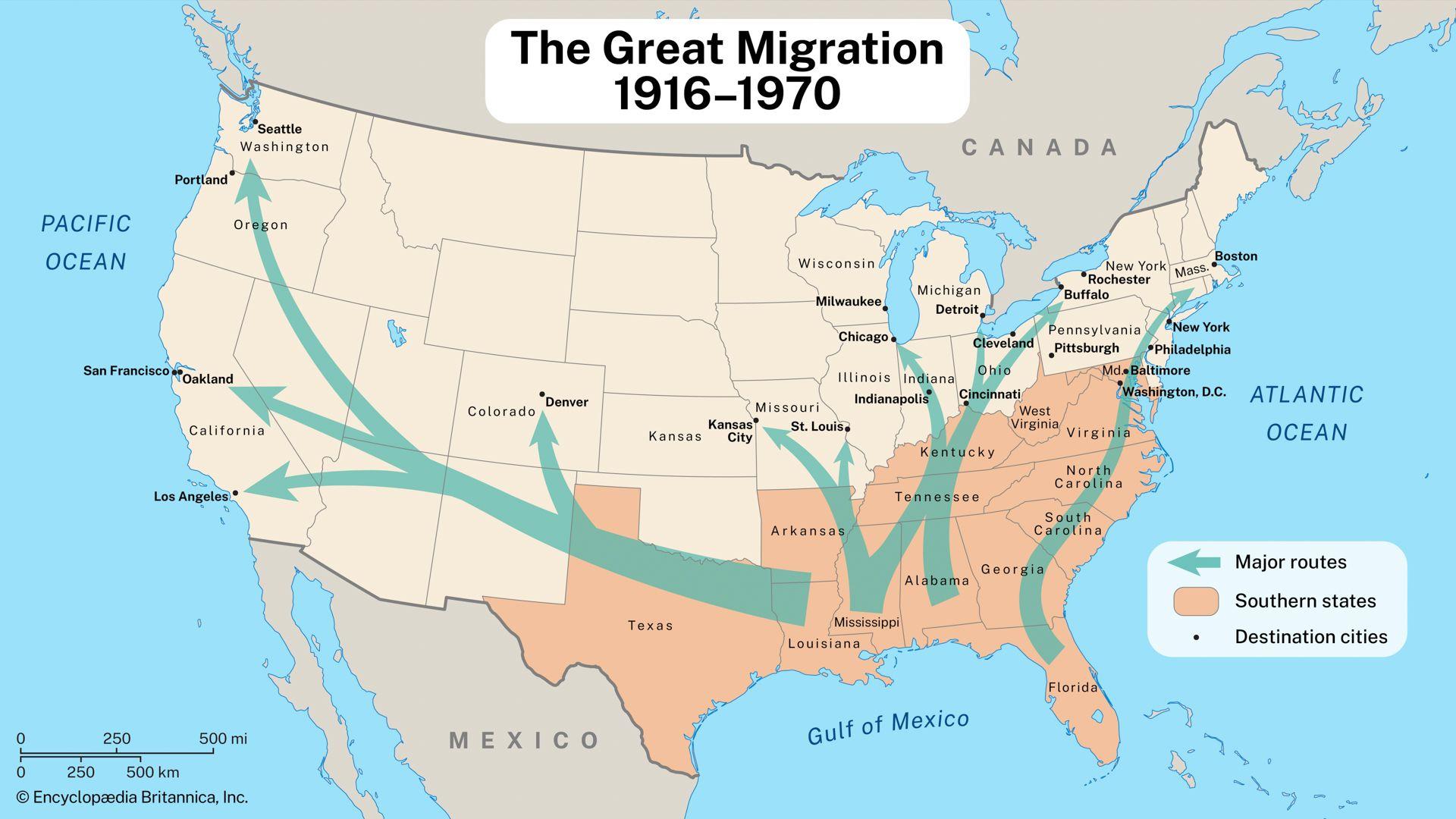
Many Black Americans moved from the South to Northern cities seeking better opportunities.
Example: A family leaving Mississippi for Chicago hoping to find better jobs.
Why it matters: The characters live in a community created by this migration. - 4. Bigger Thomas is not a traditional hero
The protagonist, Bigger Thomas, can be frightening, angry, and difficult to sympathize with.
Example: Instead of acting bravely when stressed, he often reacts impulsively.
Why it matters: Wright wanted readers to confront uncomfortable realities rather than admire a perfect hero. - 5. Fear is one of the book's biggest themes
Many characters act out of fear—fear of poverty, punishment, violence, or social judgment.
Example: Someone might hide the truth because they fear the consequences.
Why it matters: Understanding fear helps explain why characters make shocking decisions. - 6. The book was controversial
When it was published, many readers were shocked by its violence and its portrayal of race relations.
Example: Some praised the novel as an important social critique, while others criticized it for being disturbing.
Why it matters: The novel was designed to provoke discussion, not provide comfort. - 7. Poverty plays a major role
The story shows how economic hardship affects people's opportunities and choices.
Example: Limited job options can make people feel trapped.
Why it matters: Wright argues that social conditions can shape behavior. - 8. The novel explores systemic racism
The book is not only about individual prejudice; it also examines how institutions can disadvantage people.
Example: Housing policies, employment practices, and legal systems may create unequal outcomes.
Why it matters: This broader view of racism is central to the novel's message. - 9. Expect difficult and mature content
The novel includes violence, racism, strong language, and intense emotional situations.
Example: Characters face life-changing events with serious consequences.
Why it matters: Being prepared for these topics can help you focus on the novel's themes rather than being surprised by them. - 10. Wright wanted readers to ask "Why?"
Rather than simply judging characters, Wright encourages readers to ask what social forces influenced them.
Example: Instead of asking only whether an action was wrong, the novel asks what circumstances helped produce it.
Why it matters: This question is at the heart of the book. - 11. Quick Summary
If you remember only four things before reading:
- America in 1940 was deeply segregated.
- Chicago's South Side shapes the story.
- Bigger Thomas is intentionally complex and troubling.
- The novel examines how racism, poverty, and fear affect people's lives.
These ideas will make the novel much easier to understand and discuss.
- 1. The novel takes place in a segregated America