
Williams, Tennessee: 1911-1983
A Streetcar Named Desire, 1947 - Before Reading (AI Created)
- Before reading A Streetcar Named Desire, it helps to understand the historical setting, characters, and themes.
- 1. It Takes Place in New Orleans After World War II
The story is set in the French Quarter of New Orleans during the late 1940s. The city was known for its mix of cultures, music, crowded neighborhoods, and working-class life.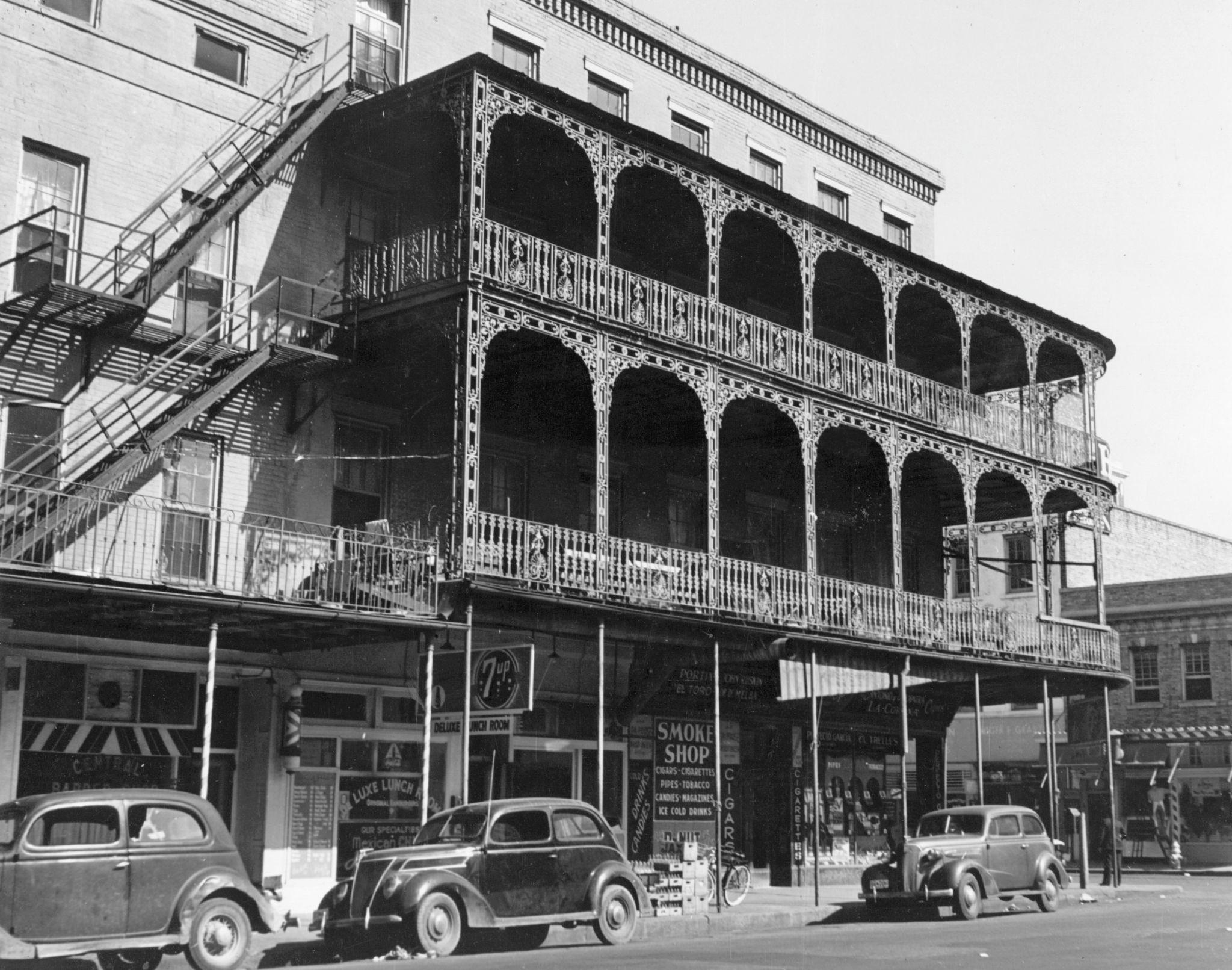
Example: Blanche comes from a wealthy Southern background but arrives in a busy urban neighborhood very different from the world she knew. - 2. The Old South Is Disappearing
One major idea is the decline of the traditional Southern aristocracy (wealthy plantation families).
Example: Blanche's family estate, Belle Reve, has been lost. This symbolizes the collapse of the old Southern way of life.
Think of someone from a formerly wealthy family struggling to adapt after losing everything. - 3. Blanche DuBois Lives Through Fantasy
Blanche DuBois often avoids reality by creating romantic stories about herself.
Example: She hides her true age, exaggerates her past, and wants others to see her as elegant and refined.
As you read, ask:
- Is Blanche telling the truth?
- Why might she need these fantasies? - 4. Stanley Kowalski Represents a New America
Stanley Kowalski is a working-class veteran who values strength, practicality, and directness.
Example: Stanley challenges Blanche's claims and investigates her past because he wants facts rather than appearances.
He symbolizes social changes happening in America after WWII. - 5. The Play Explores Class Conflict
The conflict is not only personal—it is also social.
Example:
- Blanche = old Southern gentility and privilege.
- Stanley = working-class immigrant America.
Their arguments often reflect deeper tensions about status, money, and power. - 6. Mental Health Is an Important Theme
Blanche has experienced many traumatic events and struggles emotionally.
Example: She becomes increasingly anxious, fearful, and disconnected from reality.
Readers today often discuss how trauma affects her behavior. - 7. Desire Drives Many Characters
The title itself points to one of the central themes: desire.
Example:
- Romantic desire
- Sexual desire
- Desire for security
- Desire for acceptance
Williams suggests that human desires can both sustain and destroy people. - 8. Symbols Matter a Lot
Tennessee Williams frequently uses symbols.
Examples:
- Light = truth and reality.
- Darkness/shadows = hiding painful truths.
- Music = memories and emotions.
- Belle Reve ("Beautiful Dream") = a lost past.
As you read, pay attention whenever lights, shadows, or music are mentioned. - 9. Gender Roles Shape the Story
The play reflects expectations for men and women in the 1940s.
Example:
- Stanley is expected to be dominant and masculine.
- Blanche feels pressure to appear youthful, attractive, and dependent on men.
Many conflicts arise from these social expectations. - 10. Stella Is Caught Between Two Worlds
Stella Kowalski is Blanche's sister.
Example: Stella loves Stanley but also cares deeply about Blanche. Throughout the play, she must choose between loyalty to her husband and loyalty to her sister.
This tension drives much of the plot. - 11. The Play Is Famous for Its Emotional Intensity
Rather than focusing on action, the play focuses on emotions, relationships, and psychological conflict.
Example: Many scenes are built around arguments, revelations, and emotional breakdowns rather than physical events. - 12. Tennessee Williams Drew on Personal Experiences
Tennessee Williams often wrote about loneliness, fragile individuals, family tensions, and mental illness.
Example: Like Blanche, many Williams characters struggle to cope with harsh realities.
- 13. Quick Reading Checklist
Before you start, remember these questions:
- Why does Blanche rely on illusion instead of reality?
- What does Stanley represent beyond being a single character?
- How is the old South changing?
- How do class and gender affect people's choices?
- What symbols (light, music, darkness) appear repeatedly?
- How does desire influence each character's actions?
Keeping these questions in mind will make the play much easier to understand and analyze.
- 1. It Takes Place in New Orleans After World War II