
Williams, Tennessee: 1911-1983
The Glass Menagerie, 1945 - Before Reading (AI Created)
- Before reading The Glass Menagerie, it helps to understand the historical and social world that shaped the story.
- 1. It is a memory play
The narrator, Tom Wingfield, tells the story as he remembers it years later.
Because memories are imperfect:
- Some events may seem exaggerated.
- Lighting, music, and dialogue are emotional rather than completely realistic.
- What you see reflects Tom's feelings, not necessarily objective truth.
Example: Instead of describing an ordinary apartment exactly as it was, Tom remembers it as dark, crowded, and dreamlike because that's how it felt to him. - 2. It takes place during the Great Depression
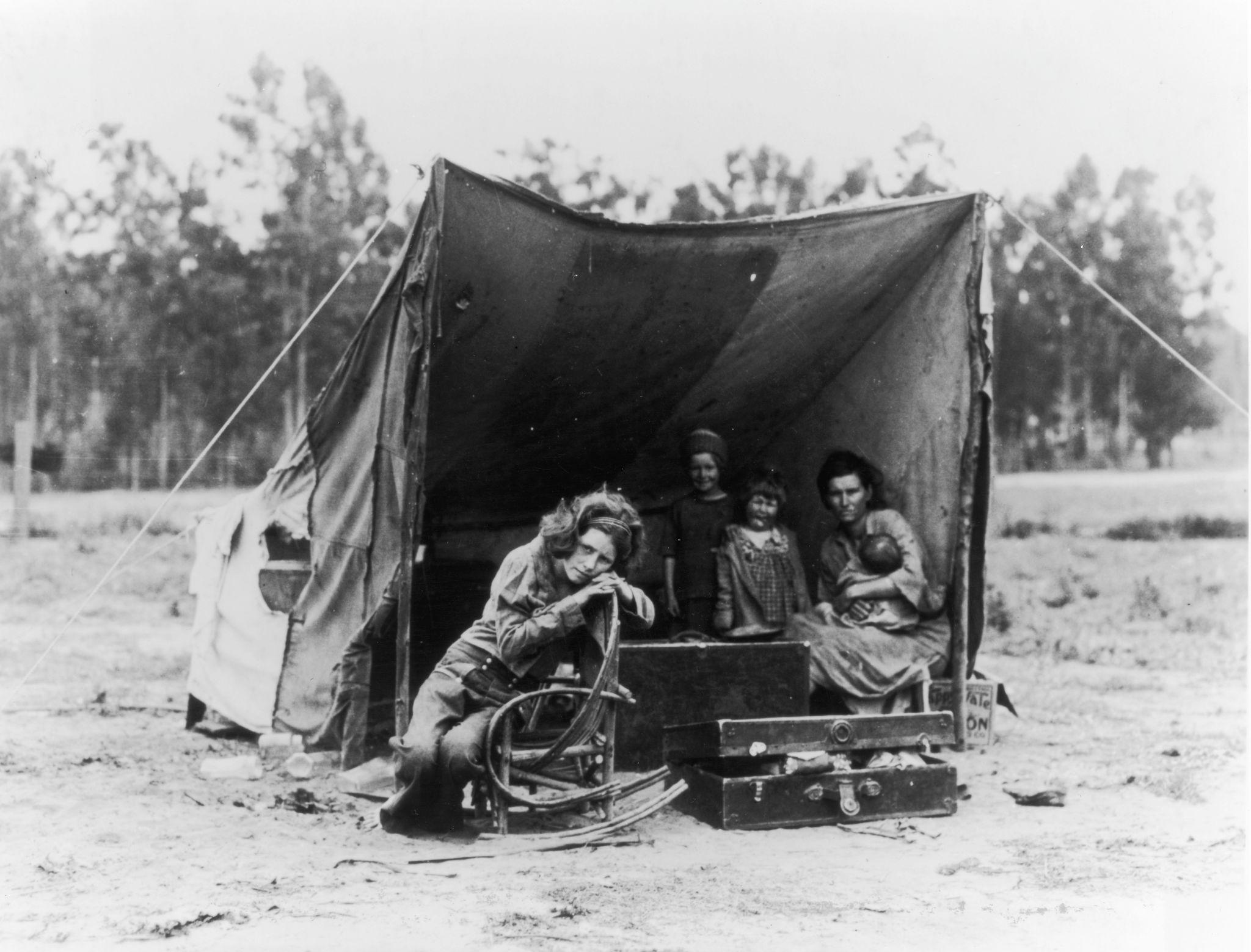
The story is set in the 1930s in St. Louis.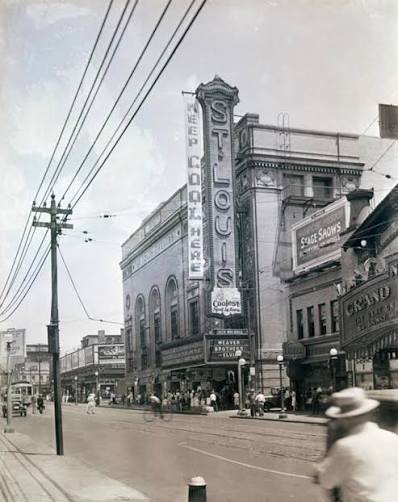
During this period:
- Many people struggled to find work.
- Families often depended on one income.
- Financial stress affected everyday life.
Example: Tom works long hours in a warehouse even though he hates the job because his family depends on his paycheck. - 3. Family responsibility is a major theme
Tom wants freedom and adventure.
His mother, Amanda Wingfield, believes he must stay and support the family.
Example: Tom dreams of traveling the world, but every paycheck goes toward rent and household expenses. - 4. Each main character represents something
Tom Wingfield: Escape and freedom
Amanda Wingfield: Living in the past
Laura Wingfield: Fragility and isolation
Jim O'Connor: Hope and reality - 5. Laura's glass animals are symbols
Laura spends much of her time caring for tiny glass animals.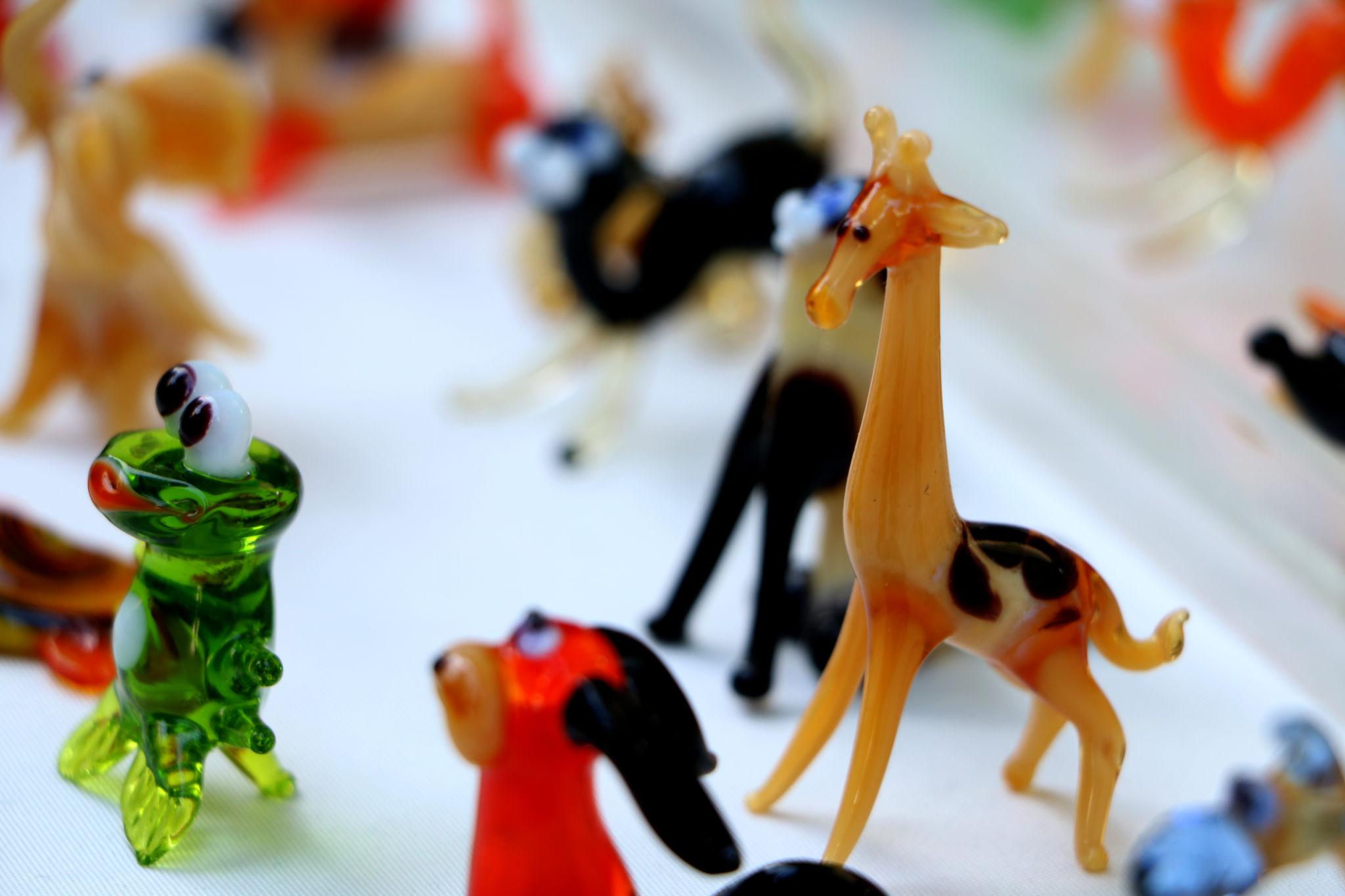
The collection represents:
- beauty
- delicacy
- loneliness
- vulnerability
The glass unicorn is especially important because it symbolizes how Laura feels different from everyone else.
Example: Just as glass can break easily, Laura is emotionally sensitive and easily hurt. - 6. Amanda lives in the past
Amanda constantly remembers her youth in the American South.
She tells stories about:
- many gentlemen callers
- popularity
- happier times
These memories help her escape her disappointing present.- 7. The play uses many symbols
Instead of explaining ideas directly, Williams uses objects to represent emotions.
Important symbols include:
- Glass animals → Laura's fragile nature
- Fire escape → Tom's desire to leave
- Movies → Tom's temporary escape from reality
- Candles → Hope, beauty, and illusion
Example: When Tom stands on the fire escape, it symbolizes his wish to escape his responsibilities.- 8. Illusion versus reality
Almost every major character hides from reality.
- Amanda lives in old memories.
- Laura hides with her glass collection.
- Tom escapes to the movies.
- Jim is more practical and realistic.
Ask yourself: Is this character facing reality or avoiding it?- 9. It is partly autobiographical
Tennessee Williams based much of the play on his own family.
Similarities include:
- Williams had an overprotective mother.
- He worked at a warehouse he disliked.
- His sister struggled with emotional and mental health challenges, inspiring Laura.
- He longed to become a writer and leave home, like Tom.
Knowing this helps explain why the emotions in the play feel so personal.- 10. Don't expect lots of action
This play focuses more on:
- conversations
- emotions
- memories
- relationships
- symbolism
The biggest conflicts happen inside the characters rather than through dramatic events.
Example: A dinner conversation may reveal more about a character than a physical fight would.- 11. The title is symbolic
A menagerie is a collection of animals.
Laura's glass collection symbolizes:
- her private world
- innocence
- beauty
- emotional fragility
The title reminds readers that the play centers on this delicate world and the people who live within it.- 12. Questions to think about while reading
As you read, ask yourself:
- Why does Tom feel trapped?
- Why can't Amanda stop living in the past?
- Why is Laura drawn to her glass animals?
- What does Jim represent?
- Which symbols appear most often?
- How does memory change the way the story is told?
- Is escape always a good solution?
- What is the difference between illusion and reality in each character's life?
These questions will help you understand the play's central themes and symbolism as you read. - 7. The play uses many symbols
- 1. It is a memory play