
Walker, Alice: *1944
Meridian, 1976 - Before Reading (AI Created)
- Before you read this novel, here are key things to understand:
- 1. The novel is set during the Civil Rights Movement
What to know: The story takes place mainly in the 1960s American South, when many Black Americans fought against segregation and racial discrimination.
Example: Characters participate in voter-registration drives, marches, and community organizing, similar to real-life efforts led by activists throughout the South. - 2. Meridian is not a traditional hero
What to know: Meridian Hill, the main character, is complex and often struggles physically, emotionally, and spiritually.
Example: Instead of seeking fame or recognition, she quietly sacrifices her comfort to help others and support social change. - 3. Activism comes with personal costs
What to know: Walker shows that fighting for justice can be exhausting and painful.
Example: Activists in the novel face threats, violence, loneliness, and difficult choices between personal happiness and political commitment. - 4. The book explores the role of Black women
What to know: Many Civil Rights histories focus on male leaders, but Walker highlights the experiences of Black women.
Example: Meridian faces expectations about marriage, motherhood, and community service while also participating in political activism. - 5. Motherhood is an important theme
What to know: The novel asks difficult questions about what society expects from women.
Example: Meridian struggles with becoming a mother at a young age and wonders whether she can fulfill both family and personal goals. - 6. The story is not told in a straight timeline
What to know: The narrative moves back and forth between different times in Meridian's life.
Example: One chapter may show Meridian as a student, while the next recalls events from her childhood.
Reading tip: Don't worry if the timeline seems confusing at first; the pieces gradually fit together. - 7. Symbolism is everywhere
What to know: Walker often uses symbols rather than explaining everything directly.
Example: Trees, wounds, illness, and physical suffering frequently represent growth, sacrifice, endurance, or healing. - 8. Education plays a major role
What to know: Schools and colleges are places where characters develop political awareness.
Example: Meridian attends college and encounters ideas that shape her understanding of race, justice, and identity. - 9. The novel asks what true commitment means
What to know: Different characters have different ideas about how to create change.
Example: Some prefer dramatic action and speeches, while Meridian believes in steady service and helping ordinary people. - 10. It is both a political and personal novel
What to know: The book is not only about civil rights protests; it is also about identity, love, faith, and self-discovery.
Example: Meridian's internal struggles are often just as important as the public events happening around her. - 11. Knowing a little Civil Rights history helps
Helpful background topics:
- Montgomery Bus Boycott
- Student Nonviolent Coordinating Committee
- Selma to Montgomery marches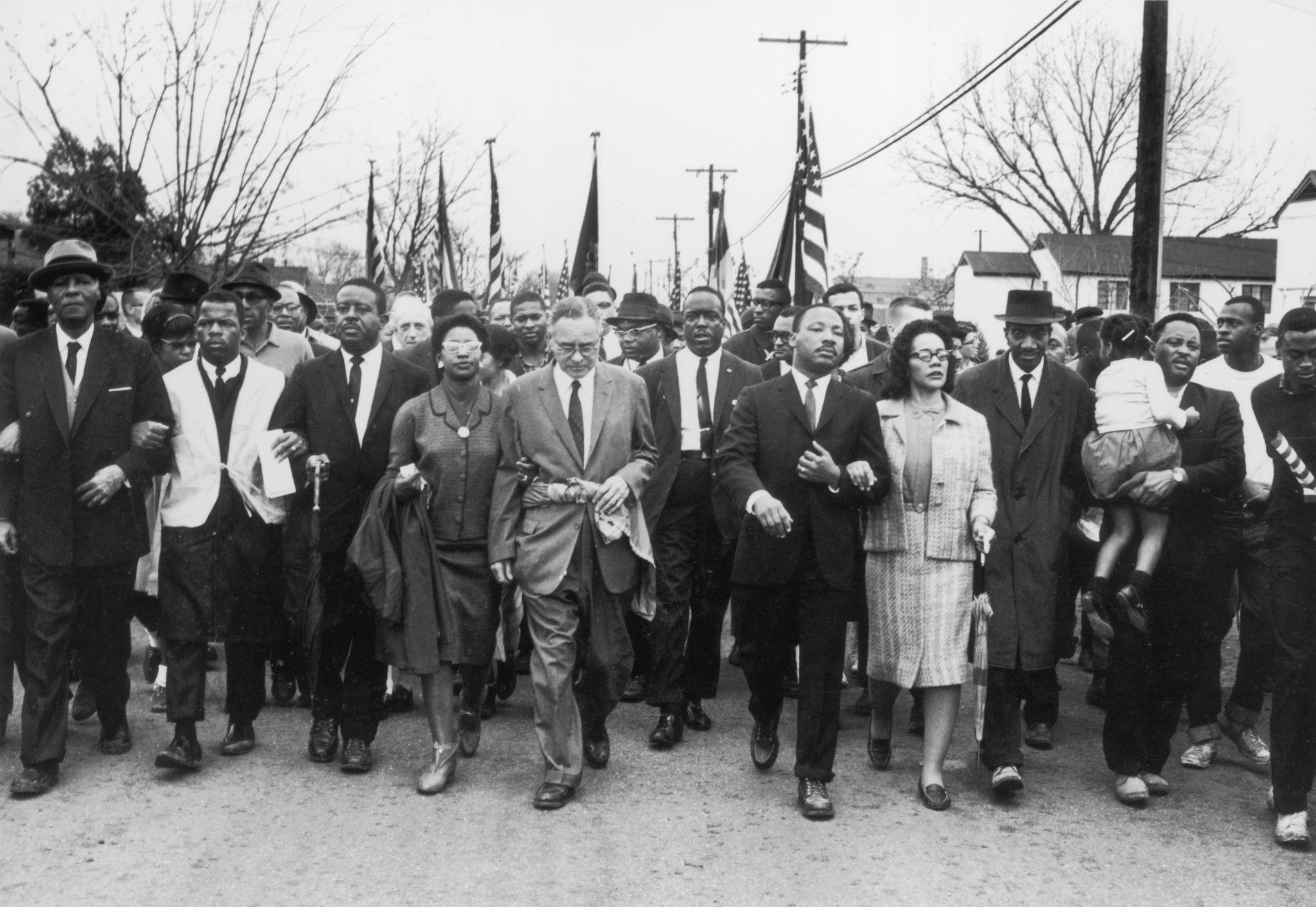
- The struggle against segregation in the American South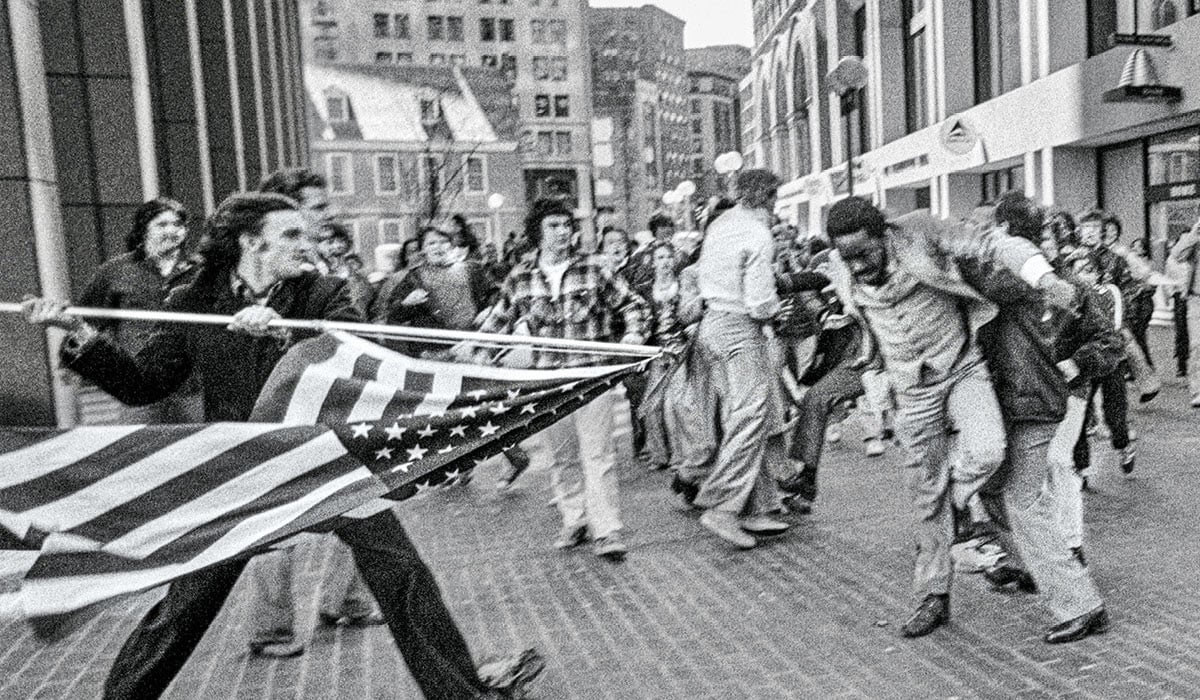
Example: Many situations in Meridian resemble challenges faced by real student activists during the 1960s. - 12. Watch for Walker's central question
What to know: The novel repeatedly asks:
- How much should a person sacrifice for freedom and justice?
Example: Meridian continually weighs her own needs against the needs of her community, making this one of the book's most important conflicts. - 13. Quick Summary
If you remember only three things before reading:
- It is deeply connected to the Civil Rights Movement.
- It centers the experiences of Black women activists.
- It focuses as much on personal growth and sacrifice as on political protest.
These ideas will make the novel much easier to understand and appreciate.
- 1. The novel is set during the Civil Rights Movement