
Vreeland, Susan: 1946-2017
Life Studies, 2004 - Before Reading (AI Created)
- Before reading Life Studies, it helps to know that it is not a novel. It is a collection of interconnected stories about art, artists, and ordinary people whose lives are changed by art. Many stories involve famous Impressionist painters, while others take place in modern times.
- 1. Know that it is a collection of short stories, not one continuous plot
Each story stands on its own. Some are historical, set around famous painters, while others are contemporary stories about everyday people encountering art.
Example: You might read a story about a gardener working for Monet and then the next story may focus on a modern construction worker visiting a museum. - 2. Art is the real main character
The book asks how art affects human lives, emotions, grief, love, and identity. The stories show art as something that can heal, inspire, or transform people.
Example: A character who feels trapped in everyday life may see a painting and suddenly view the world differently. - 3. Familiarity with Impressionism helps
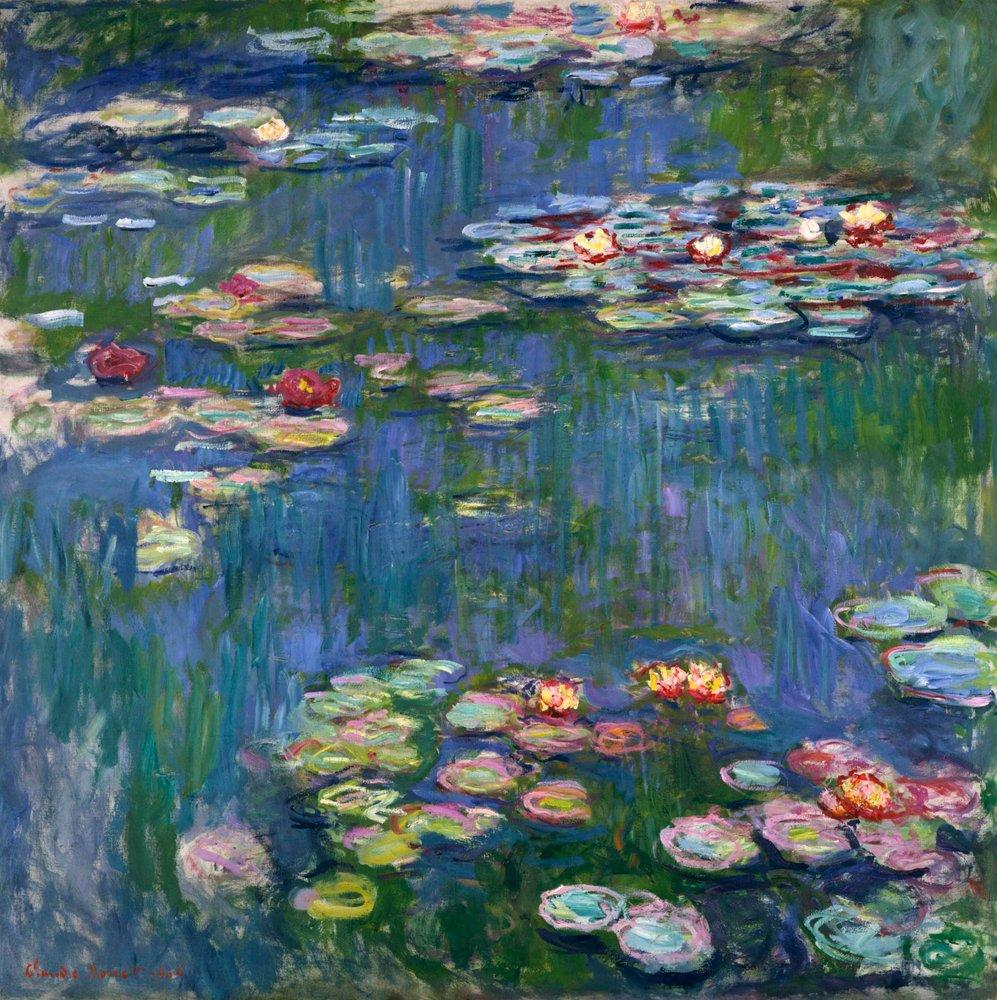
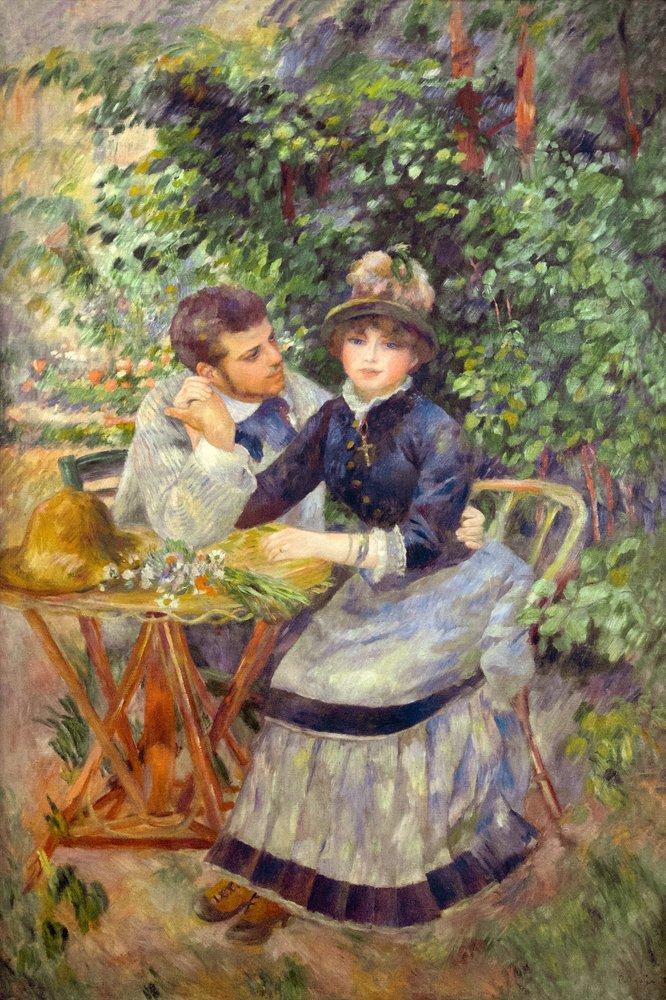
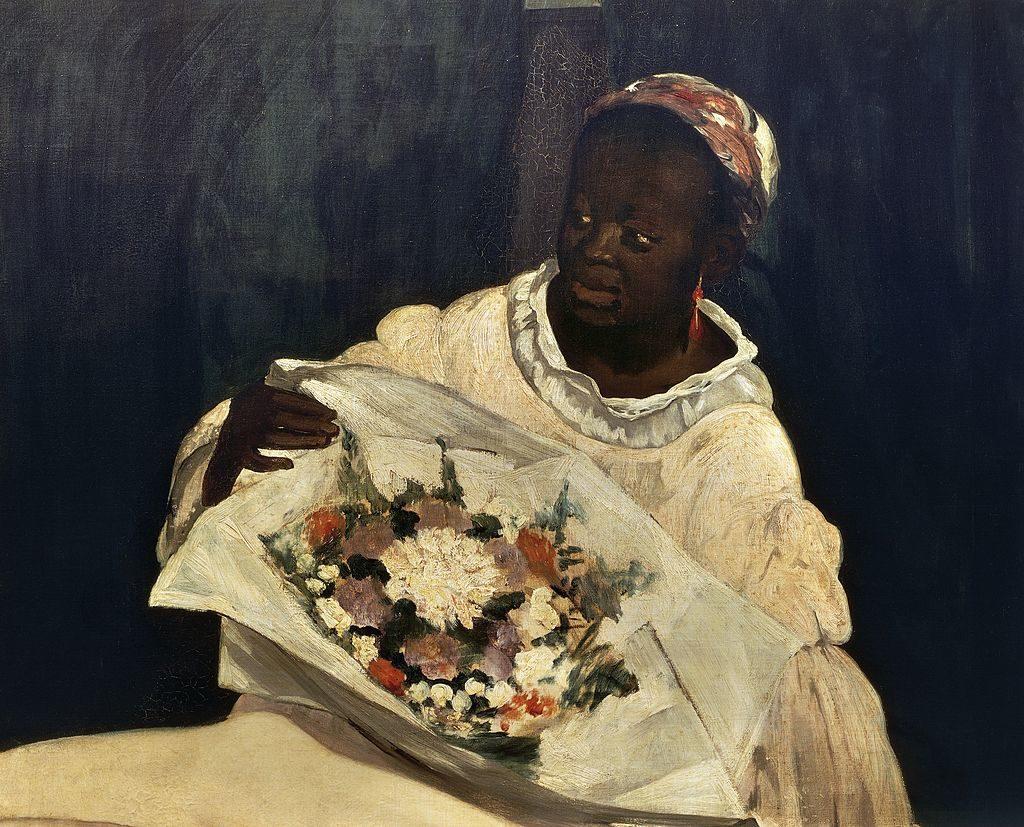
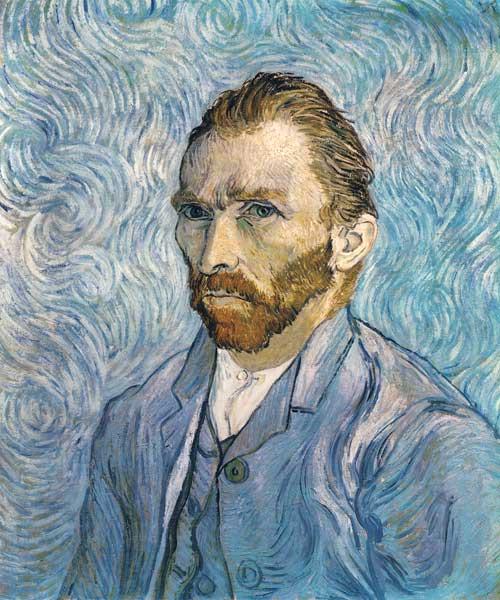
Many stories involve painters such as:
- Claude Monet
-
- Pierre-Auguste Renoir
-
- Édouard Manet
-
- Vincent van Gogh
-
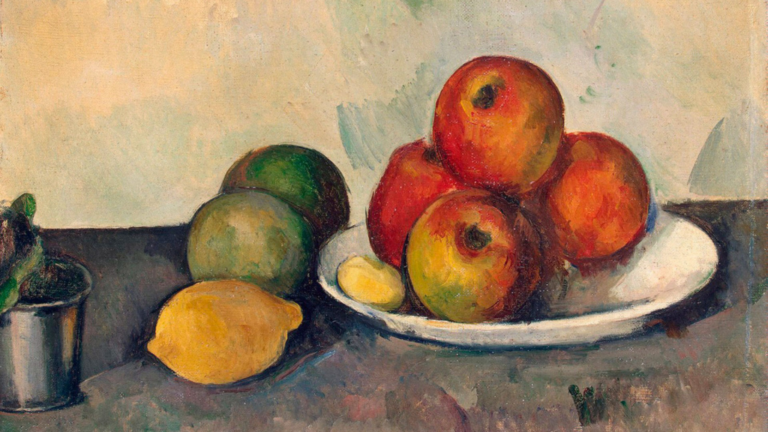
- Paul Cézanne
-
Vreeland focuses less on the artists themselves and more on people around them.
Example: Instead of telling Monet's life story, a story may be told through the eyes of his gardener. - 4. The stories mix fact and fiction
Many historical stories are based on real people and documented events, but Vreeland imagines conversations, emotions, and perspectives.
Example: Historical records may tell us that Monet painted at Giverny, but Vreeland imagines what a gardener might have felt watching him work. - 5. Ordinary people matter more than famous people
A major theme is that art belongs to everyone, not only artists or experts.
Example: A servant, child, foster child, laborer, or neighbor may become the emotional center of a story while the famous painter stays in the background. - 6. Pay attention to the paintings mentioned
Many stories become richer if you look at the artwork connected to them.
Example: Knowing Renoir's painting Mimi with a Watering Can makes the related story more meaningful because you can compare the painted image with the fictional life Vreeland imagines behind it.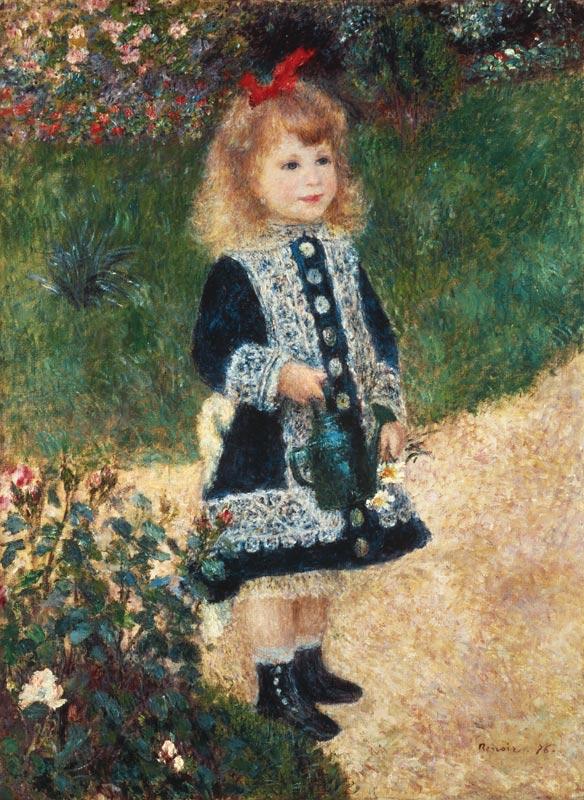
Monet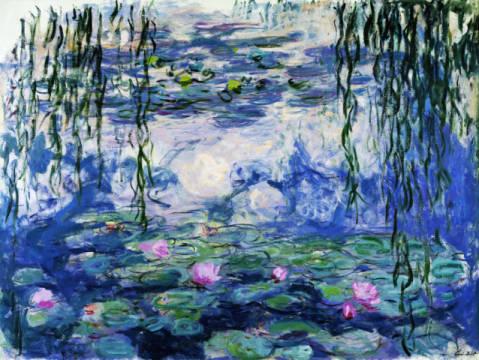
Van Gogh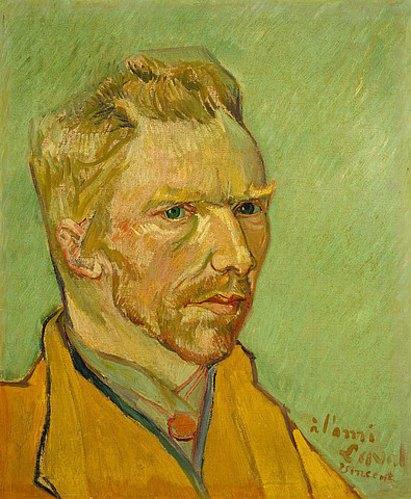
Cézanne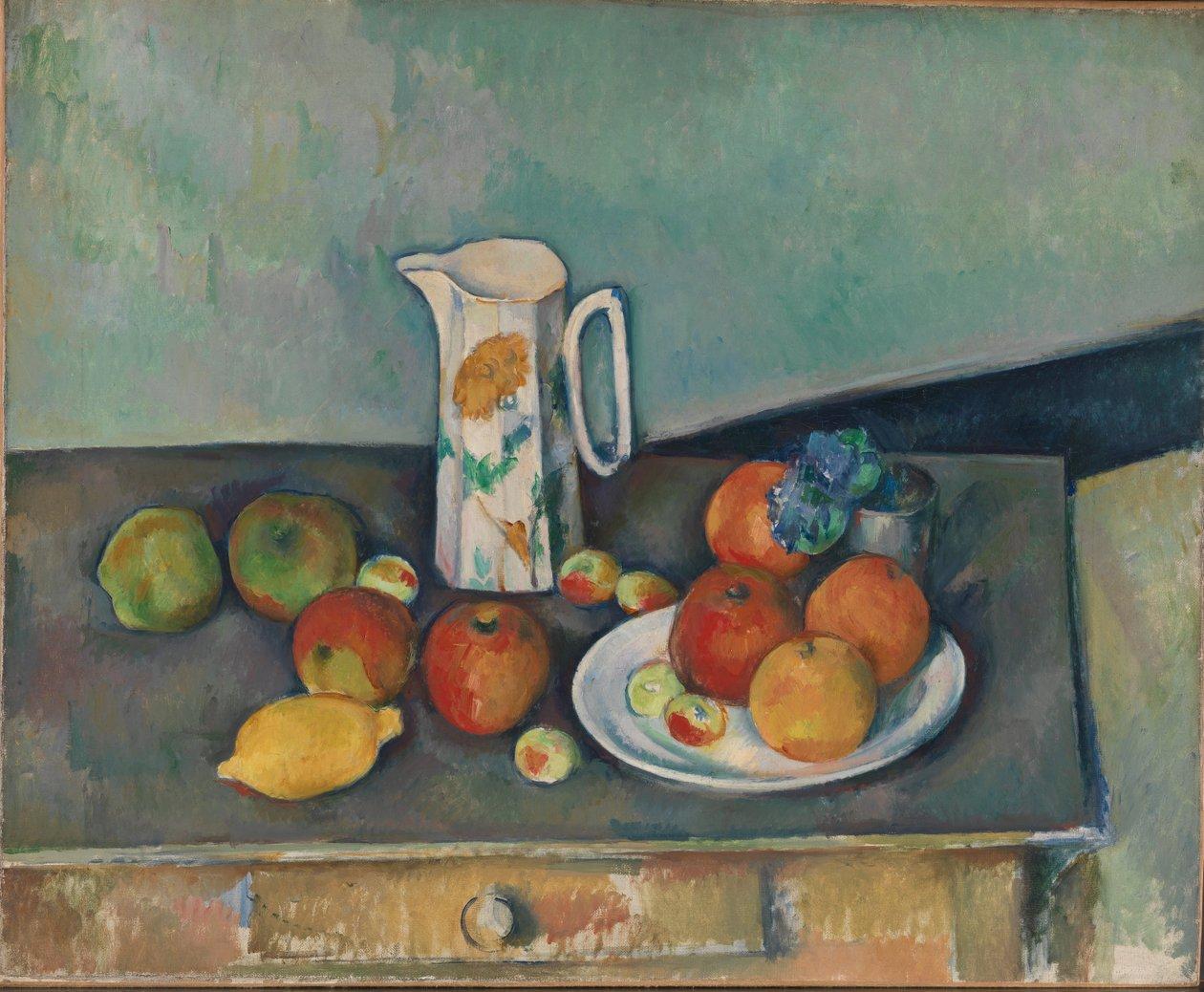
- 7. The book is divided between “Then” and “Now”
The collection moves between historical stories and contemporary stories to show that art's influence continues across time.
Example: One story may be set in nineteenth-century France, while another explores a modern American family dealing with personal struggles through art. - 8. Themes are more important than suspense
This is not a thriller or mystery. The enjoyment comes from reflection, character insight, and connections between art and life.
Example: A story's climax might be a character understanding a painting rather than solving a crime or winning a conflict. - 9. Art is often linked to healing and personal growth
Many characters discover courage, meaning, or self-understanding through artistic experiences.
Example: Someone dealing with grief may find comfort through a drawing, sculpture, or painting. - 10. Susan Vreeland loved writing about artists
Understanding the author helps. Vreeland built much of her career around stories connecting art history and fiction.
Example: If you have read Girl in Hyacinth Blue or The Passion of Artemisia, you'll recognize her interest in exploring how art shapes human lives. - 11. Quick Reading Tip
Keep your phone or a browser nearby and look up the paintings as they appear. Seeing the artwork while reading often doubles the impact of the stories because Vreeland is constantly building fiction around real visual art.
- 1. Know that it is a collection of short stories, not one continuous plot