
Solnit, Rebecca: *1961
Hope in the Dark, 2004 - Before Reading (AI Created)
- Hope in the Dark is a nonfiction book about political change, social movements, and why hope can remain rational even when the world looks discouraging. It was first published in 2004, during a period marked by war, globalization debates, and widespread political uncertainty.
- 1. The book is about hope, not optimism
Solnit distinguishes hope from blind optimism.
- Optimism: "Everything will probably work out."
- Hope: "The future is uncertain, so our actions can still matter."
Example: If a community wants cleaner rivers, hope doesn't guarantee success. It means organizing, campaigning, and believing that change is still possible. - 2. It was written during a turbulent political period
The book emerged after events such as:
- September 11 attacks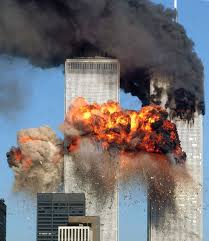
- The wars in Afghanistan and Iraq
- Growing concerns about globalization and corporate power
Example: Many activists in the early 2000s felt powerless. Solnit argues that history often changes in ways people cannot predict. - 3. Small actions can have huge consequences
One of the book's central ideas is that causes and effects in history are often indirect.
Example: A local environmental campaign might inspire another group, which influences legislation years later. The original activists may never see the full impact of their work.
Think of throwing a pebble into a pond: the ripples travel farther than expected. - 4. History is less predictable than people think
Solnit points to moments that seemed impossible until they happened.
Examples:
- Fall of the Berlin Wall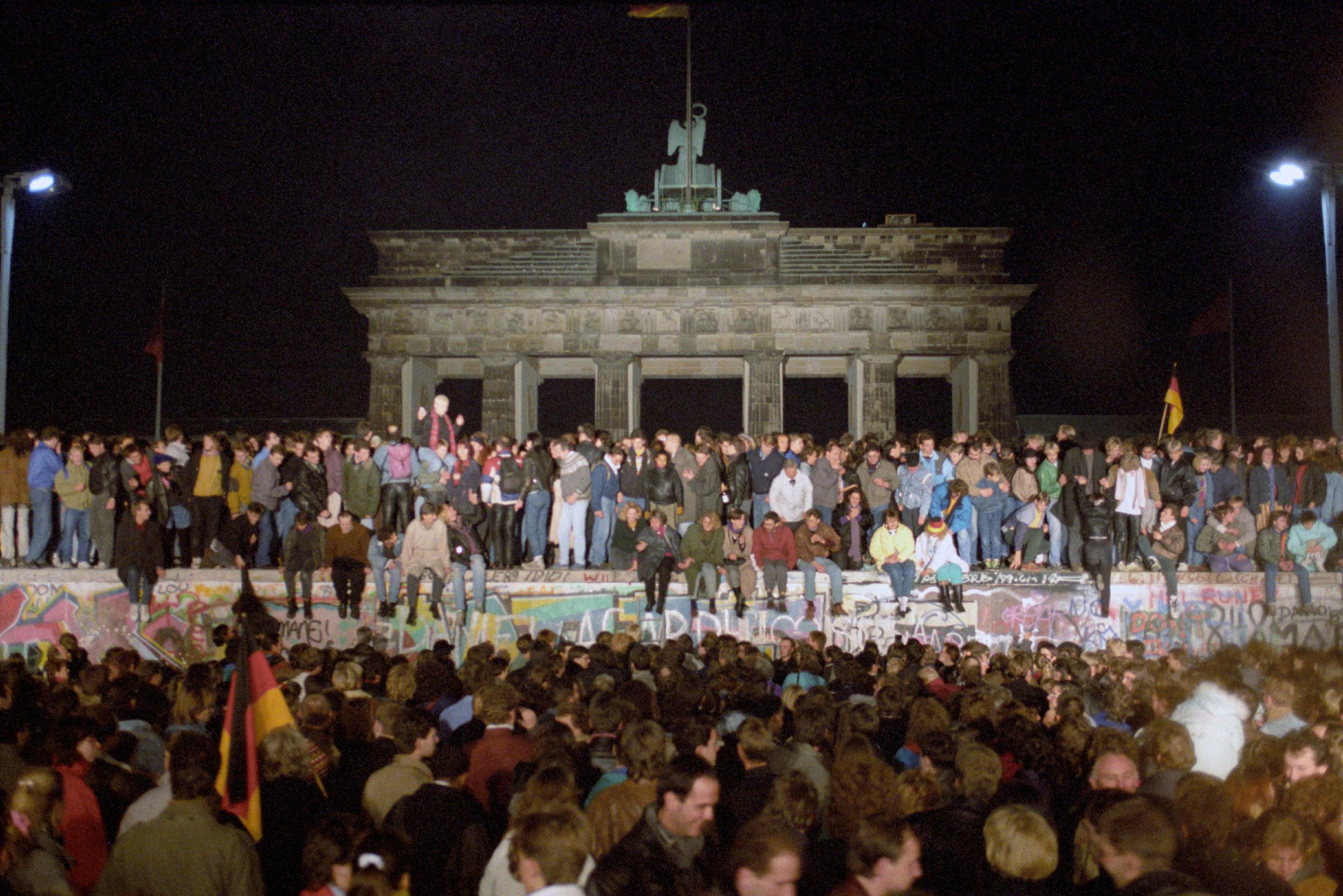
- End of Apartheid
Many observers failed to predict these transformations. - 5. Social movements matter more than famous leaders
The book focuses on ordinary people, grassroots organizations, and collective action.
Example: When we study a major reform, we often remember politicians. Solnit asks readers to look at the years of organizing, volunteering, protesting, and educating that made change possible. - 6. Progress is often invisible while it is happening
People tend to notice failures immediately but overlook gradual improvements.
Example: A movement may spend decades changing public attitudes before any laws change. From the outside it can appear unsuccessful—until a breakthrough suddenly arrives. - 7. The book challenges cynicism
Solnit argues that cynicism can become a form of surrender.
Example: Saying "nothing ever changes" sounds realistic, but history repeatedly shows that societies, governments, and cultural norms do change.
The book asks readers to examine whether their pessimism is based on evidence or habit. - 8. You do not need to agree with every political view
The book has a progressive political perspective, but its broader themes apply widely:
- How change happens
- How movements grow
- Why uncertainty matters
- How individuals influence history
Example: Readers from different political backgrounds often find value in its discussion of agency and historical unpredictability. - 9. Expect essays rather than a step-by-step argument
This is not a textbook or manifesto.
Example: Instead of presenting one rigid theory, Solnit weaves together:
- Historical stories
- Political reflections
- Personal observations
- Activist experiences
The style is reflective and literary. - 10. The key question to keep in mind
While reading, repeatedly ask:
- "What changes in history seemed impossible before they happened?"
That question unlocks much of the book's argument: uncertainty is not merely a source of fear—it is also the space where positive change becomes possible.
- 1. The book is about hope, not optimism