
Sillitoe, Alan: 1928 - 2010
The Loneliness of the Long-Distance Runner, 1959 - Before Reading (AI Created)
- Before reading The Loneliness of the Long-Distance Runner, it helps to know some background, themes, and characters.
- 1. It is set in working-class England after World War II
The story takes place in the 1950s, when many working-class families faced poverty, limited opportunities, and strong class divisions. The main character, Smith, comes from a poor neighborhood in Nottingham.
Example: Imagine a teenager who feels that no matter how hard he works, wealthy people will always have more power and better chances in life. - 2. The narrator is not a "hero" in the traditional sense
Smith is a teenage criminal who has committed burglary. He is angry, rebellious, and often distrustful of authority. Sillitoe wants readers to understand him, not necessarily approve of everything he does.
Example: A student who breaks school rules may still have understandable reasons for feeling frustrated with the system. - 3. Know what a "Borstal" is
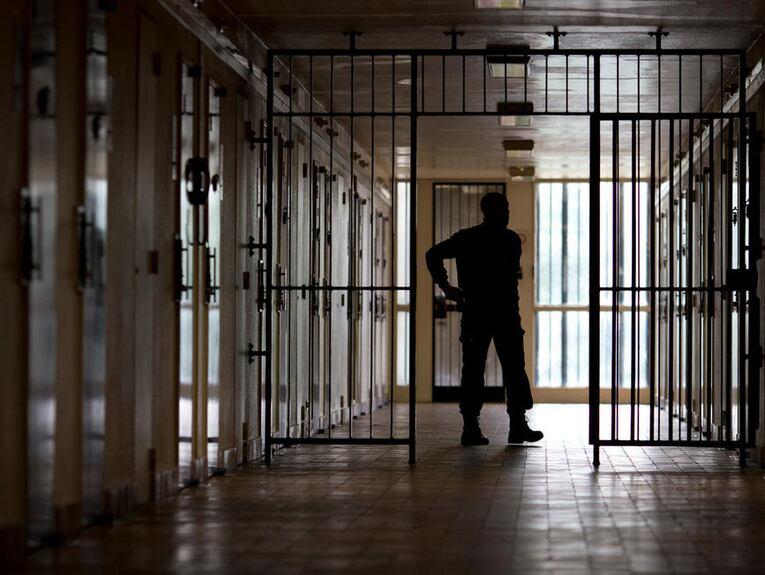
A Borstal was a detention and reform institution for young offenders in Britain. Much of the story takes place there after Smith is arrested.
Example: Think of a combination of a prison, boarding school, and rehabilitation center for teenagers. - 4. Running is more than a sport
Long-distance running is a symbol throughout the story. When Smith runs alone, he thinks about his life, society, freedom, and power. Running becomes a way to escape mentally from his circumstances.
Example: Someone might go on a long walk to clear their head and think through problems. Running serves that purpose for Smith. - 5. The story is about rebellion
One of the central questions is:
- Should you obey authority if you believe the system is unfair?
Smith constantly struggles against people who want to control him.
Example: A worker refuses a promotion because accepting it would mean supporting a company policy they believe is wrong. - 6. Social class is extremely important
Sillitoe was associated with writers who focused on class conflict in Britain. The story highlights tensions between wealthy authority figures and poor working-class people.
Example: Two students may follow the same rules, but one has family connections and resources that make success much easier. - 7. Pay attention to Smith's ideas about "us" and "them"
Smith often divides society into ordinary working-class people and those in authority. This shapes almost every decision he makes.
Example: A teenager might see teachers and administrators as one group ("them") and students as another group ("us"). - 8. Loneliness is a major theme
The title is not just about running alone. It also refers to emotional isolation and the feeling that nobody truly understands you.
Example: Someone can be surrounded by people but still feel completely alone in their thoughts and struggles. - 9. The story belongs to the tradition of Social Realism
Social realism focuses on ordinary people's lives rather than romantic heroes or fantasy adventures. The language, settings, and problems feel realistic and sometimes harsh.
Example: Instead of a prince saving a kingdom, the story follows a troubled teenager dealing with poverty and authority. - 10. Alan Sillitoe was linked to the "Angry Young Men"
This was a group of British writers known for portraying frustration with class inequality and social expectations. Although Sillitoe disliked the label, many critics connect him to the movement.
Example: Think of writers who challenge society by giving a voice to people who feel ignored or trapped. - 11. The ending matters because of what it says about freedom
Without spoiling details, understand that the most important question is not who wins or loses. The key issue is whether Smith remains true to his own beliefs.
Example: A person may sacrifice a reward if accepting it means giving up their principles. - 12. Watch for symbols while reading
Some important symbols include:
- Running: Freedom, reflection, independence
- The race: Society's expectations
- The Borstal: Control and authority
- Open roads/fields: Escape and personal freedom - 13. Quick Reading Tip
As you read, keep asking:
- "Is Smith trying to win the race, or is he trying to win control over his own life?"
That question helps unlock most of the story's themes of freedom, class conflict, rebellion, loneliness, and personal integrity.
- 1. It is set in working-class England after World War II