
Wyndham, John: 1903-1969
The Chrysalids, 1955 - Before Reading (AI Created)
- Before reading The Chrysalids, it helps to understand the ideas and historical context behind the story.
- 1. It is a post-apocalyptic story
The story takes place long after a major disaster has changed the world.
Example: People in the novel find strange ruins and old objects from a lost civilization, showing that society has collapsed and rebuilt itself.
Why it matters: Readers gradually discover what happened to the old world instead of being told everything at the beginning. - 2. Fear of nuclear war influenced the book
The novel was published in 1955, during the early Cold War, when many people worried about nuclear weapons and radioactive fallout.
Example: Some plants, animals, and people in the story are different from the accepted norm, reflecting real-world fears about radiation causing mutations.
Why it matters: Understanding these fears helps explain why characters are so concerned about differences. - 3. The society is extremely religious and strict
The community believes that anything different from God's "true image" is dangerous.
Example: Even small physical differences, such as an extra toe, can lead to punishment or exile.
Why it matters: Much of the conflict comes from the gap between individual identity and society's rules. - 4. A major theme is prejudice
People judge others based on whether they fit the accepted standard.
Example: Characters who are different are often treated unfairly before anyone learns who they really are.
Why it matters: The book asks readers whether being different automatically makes someone wrong or inferior. - 5. The title "Chrysalids" is symbolic
A chrysalis is the stage when a caterpillar transforms into a butterfly.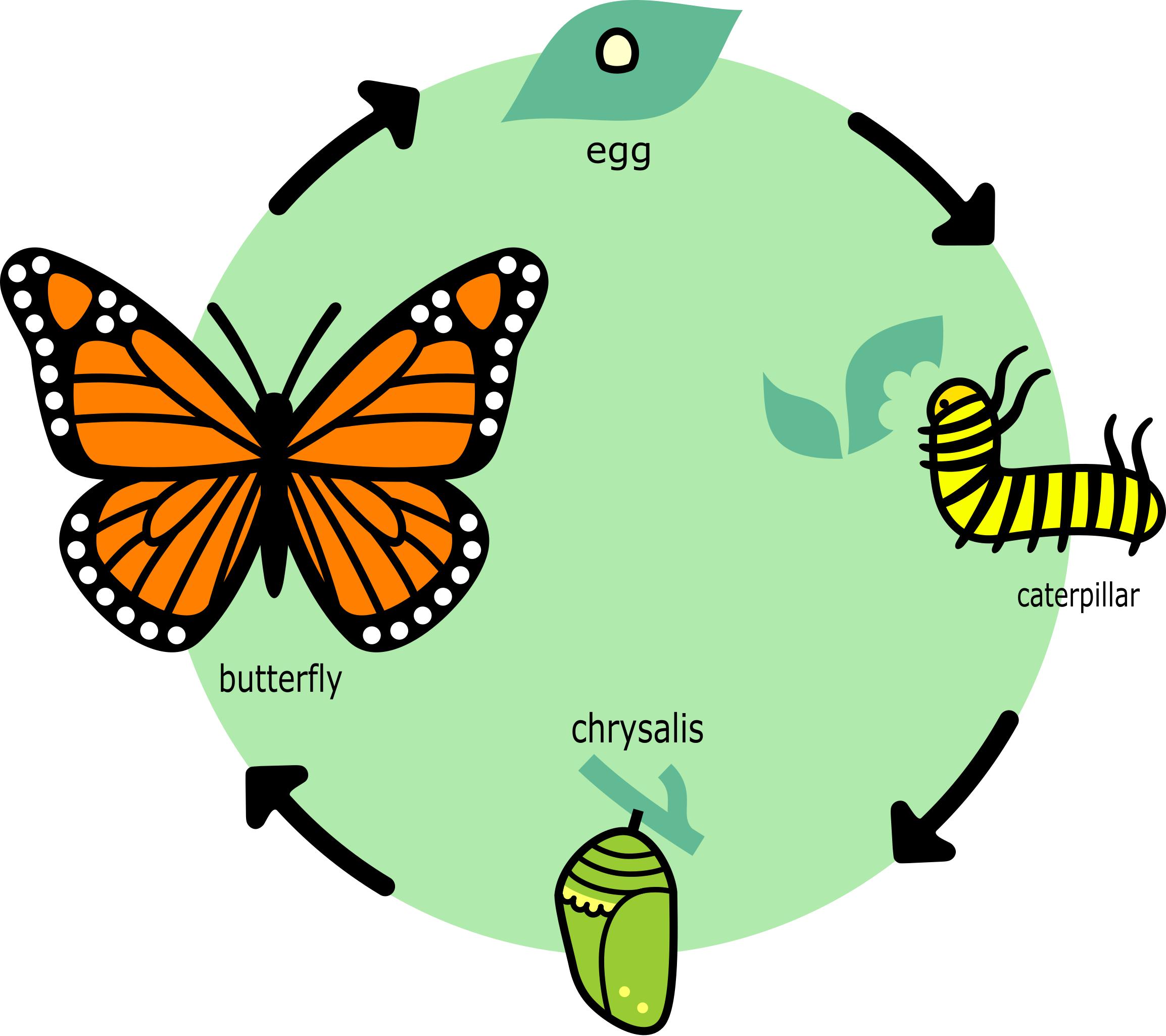
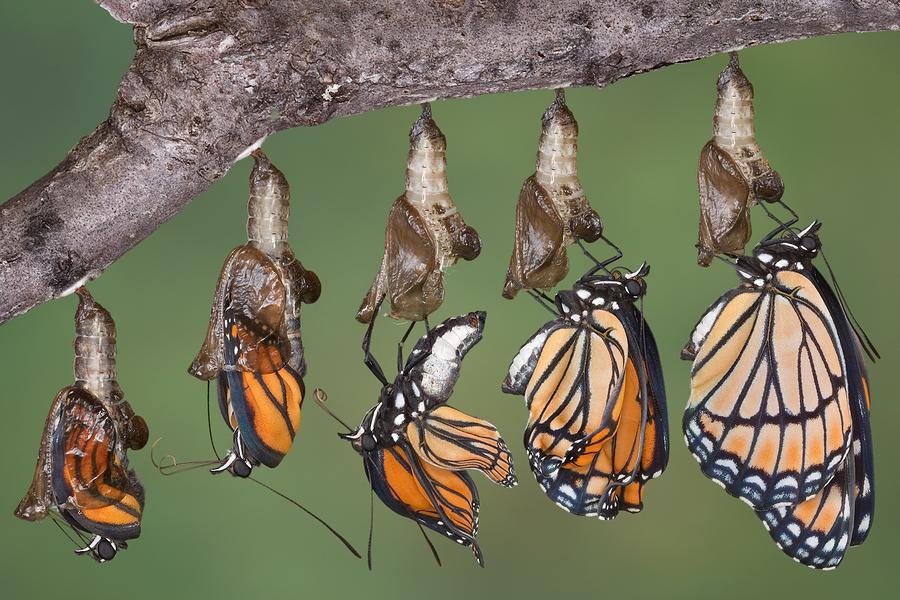
Example: Some characters represent a new stage in human development.
Why it matters: The title hints that humanity may be changing into something new. - 6. The novel explores evolution
The book asks whether human beings should stay the same forever or continue to change.
Example: Different groups disagree about what counts as a normal human being.
Why it matters: This scientific and philosophical question drives the plot. - 7. The story is told by a young narrator
The main character, David, is a child at the start of the novel.
Example: Readers learn about the society through his experiences and questions.
Why it matters: You discover the world's rules gradually, just as David does. - 8. Telepathy is important
Some characters can communicate mind-to-mind.
Example: Instead of speaking aloud, they can share thoughts directly.
Why it matters: This ability becomes central to both the plot and the book's ideas about human progress. - 9. The novel raises questions rather than giving simple answers
There are no completely perfect groups in the story.
Example: Different communities believe they are right about what humanity should become.
Why it matters: Readers are encouraged to think critically about tolerance, change, and power. - 10. Watch for the central question
The book repeatedly asks:
- Who gets to decide what is "normal"?
Example: Characters must choose between obeying society's rules and accepting people who are different.
Why it matters: This question connects nearly every major event in the novel. - 11. In one sentence
The Chrysalids is a science-fiction story about a future society that fears difference, using themes of mutation, prejudice, religion, and evolution to ask what it really means to be human.
- 1. It is a post-apocalyptic story