
Wiesel, Elie: 1928 - 2016
Night, 1960 - Before Reading (AI Created)
- Before reading Night, it helps to understand the historical background, key themes, and important terms.
- 1. The Book Is a Holocaust Memoir
Night is a memoir, meaning it is based on the author's real experiences.
It tells the story of Elie Wiesel as a Jewish teenager during the Holocaust.
Example: Instead of fictional characters, the people and events are based on what actually happened to Wiesel and his family. - 2. What Was the Holocaust?
The Holocaust was the systematic persecution and murder of about six million Jews by Nazi Germany during World War II.
Other groups were also persecuted.
Example: Jewish families were forced from their homes, separated, imprisoned, and often killed. - 3. Who Were the Nazis?
The Nazis were members of the ruling party in Germany led by Adolf Hitler.
They promoted antisemitism (hatred of Jews).
Example: Nazi laws prevented Jews from attending certain schools, owning businesses, and participating fully in society. - 4. What Is Antisemitism?
Antisemitism is prejudice, discrimination, or hatred toward Jewish people.
It existed long before the Holocaust but became government policy under Nazi rule.
Example: Jewish citizens were treated differently simply because of their religion and ancestry. - 5. Where Does the Story Begin?
The story begins in Sighet.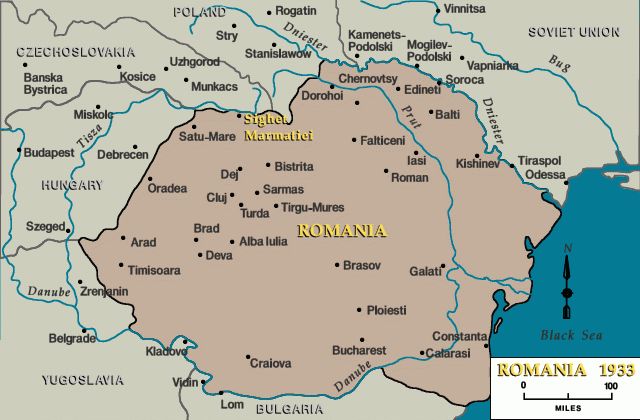
Elie lives with his family and studies Jewish religious texts.
Example: At first, many residents believe the war will not affect them directly. - 6. What Were Ghettos?
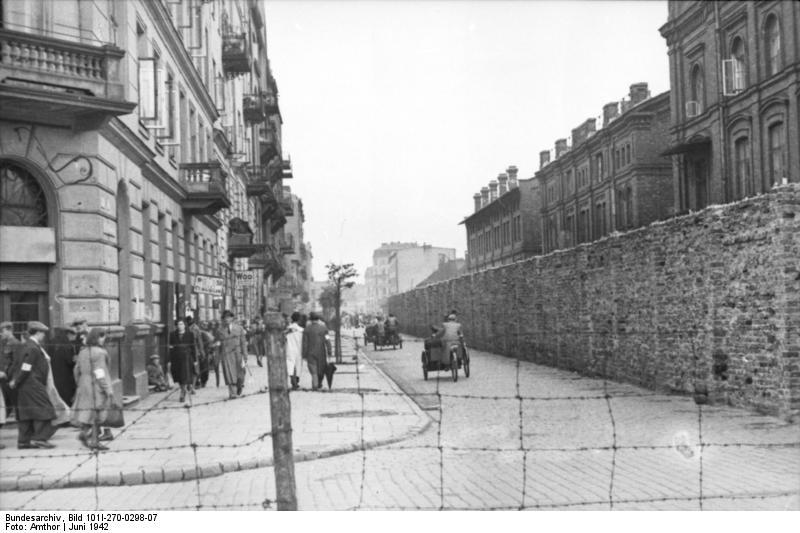
Ghettos were restricted areas where Jews were forced to live.
Example: Families were crowded into small areas and lost many freedoms before being deported. - 7. What Were Concentration Camps?
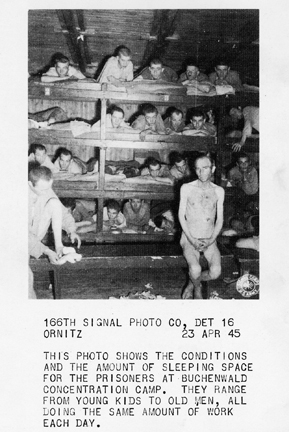
Concentration camps were places where prisoners were detained under brutal conditions.
Example: Prisoners suffered from hunger, disease, forced labor, and abuse. - 8. Auschwitz Is Important in the Book
Much of Night takes place in and around Auschwitz-Birkenau.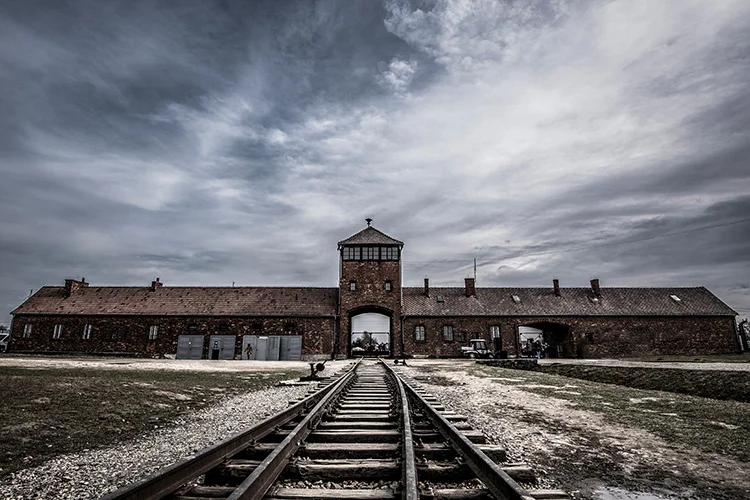
Example: Upon arrival, families were often separated, and many never saw one another again. - 9. Family Relationships Matter
One of the central parts of the memoir is Elie's relationship with his father.
Example: Throughout the camps, they struggle to stay together despite terrible conditions. - 10. Faith Is a Major Theme
Elie begins as a deeply religious boy.
Example: As he witnesses suffering, he questions his faith and understanding of God. - 11. Loss of Innocence
The memoir shows how war and violence force children to grow up quickly.
Example: Elie enters the story focused on school and religion but faces experiences no child should endure. - 12. Why Is the Book Called Night?
Night symbolizes darkness, fear, suffering, and loss.
Example: The title reflects both the literal nights in the camps and the emotional darkness of the Holocaust. - 13. The Writing Style Is Simple but Powerful
Wiesel uses clear, direct language.
Example: He often describes horrific events without long explanations, which can make them even more impactful. - 14. It Contains Difficult and Emotional Content
Readers will encounter descriptions of death, starvation, cruelty, and family separation.
Example: Many scenes are upsetting because they are based on real events. - 15. A Good Question to Think About While Reading
How do extreme circumstances affect people's faith, identity, family relationships, and moral choices?
Example: Characters often must make impossible decisions simply to survive. - 16. Quick Summary
The most important things to know before reading Night are:
- It is a true memoir.
- It takes place during the Holocaust.
- Elie Wiesel was a Jewish teenager when these events occurred.
- The story follows his experiences in ghettos and concentration camps.
- Major themes include faith, survival, family, memory, and loss of innocence.
These ideas will make the memoir easier to understand and help you recognize its deeper themes as you read.
- 1. The Book Is a Holocaust Memoir