
Souad: *~1962
Burned Alive, 2003 - Before Reading (AI Created)
- Before reading the memoir Burned Alive, it helps to know a few things about its context, themes, and controversies.
- 1. It is presented as a memoir of an attempted "honor killing"
The book tells the story of Souad, who says she survived an attempted killing by family members after becoming pregnant outside marriage. The memoir was published in French in 2003 and later translated into English.
Example: In the book's account, a family's reputation is considered more important than an individual woman's wishes or safety. - 2. Learn what "honor" culture means before reading
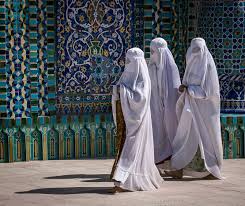
ThIn some traditional societies, family honor is linked to the behavior of female relatives. The book explores how this belief can lead to severe restrictions on women's lives.
Example: A young woman speaking to an unrelated man or choosing her own romantic partner might be viewed as dishonoring the family in some conservative settings. - 3. The book contains graphic and disturbing content
Expect descriptions of:
- Violence
- Severe burns
- Abuse
- Child mortality
- Discrimination
- Trauma
Example: Readers often find the hospital and recovery sections emotionally difficult because they focus on physical suffering and survival. - 4. Women's rights are a central theme
A major purpose of the memoir is to show how women can be controlled by social traditions and unequal gender expectations.
Example: Boys and girls may be treated differently regarding education, freedom, marriage, and family authority. - 5. The setting is very different from most modern Western societies
The story takes place in a rural village environment with strict social rules and strong family authority.
Example: Individual choices about dating or marriage may not be viewed as private matters but as family concerns. - 6. Survival and resilience are as important as the violence
Many people focus on the attack, but a large part of the memoir is about survival, recovery, and building a new life afterward.
Example: Souad's journey includes medical treatment, assistance from aid workers, and adapting to life in Europe. - 7. Humanitarian organizations play a major role
According to the memoir, international aid workers helped save Souad's life and eventually relocate her.
Example: Without outside intervention, the story suggests she might not have received the treatment and protection she needed. - 8. The book has generated controversy about its accuracy
Some historians and critics have questioned parts of the memoir, pointing to perceived historical, cultural, or medical inconsistencies. Others accept it as essentially truthful.
Example: Critics have challenged certain details about dates, technology, and reported injuries, while supporters argue that trauma memories and translation issues may explain some inconsistencies. - 9. Read it as both a personal story and a social commentary
Whether every detail is accepted or disputed, the book aims to draw attention to violence against women and the consequences of rigid gender norms.
Example: Discussions about the memoir often focus not only on Souad herself but also on broader questions of women's rights, tradition, and social change. - 10. It is emotionally intense from the beginning
This is not a gradual or light memoir. The narrative quickly introduces fear, family pressure, and life-or-death consequences.
Example: Many readers report needing breaks while reading because of the subject matter. - 11. Quick Reading Mindset
Understand the concept of honor-based violence.
Expect graphic and upsetting scenes.
Pay attention to gender roles and power structures.
Notice the themes of survival and resilience.
Be aware that the book's factual accuracy has been debated.
Read critically but empathetically.
- 1. It is presented as a memoir of an attempted "honor killing"