
Shange, Ntozake: 1948-2017
Betsey Brown, 1985 - Before Reading (AI Created)
- Before reading Betsey Brown by Ntozake Shange, it helps to understand the historical and cultural background that shapes the story.
- 1. The story takes place during school desegregation in the 1950s
The novel is set in St. Louis, Missouri, during a period when Black and White students were beginning to attend the same schools.
This followed the historic court case Brown v. Board of Education, which ruled school segregation unconstitutional.
Example: Betsey may face new opportunities at school but also tension, prejudice, and uncertainty as integration changes daily life. - 2. Betsey is growing up and trying to find her identity
The novel is a coming-of-age story, meaning it follows a young person learning who they are.
Betsey struggles with questions about family, race, friendship, and independence.
Example: She often sees the world differently from adults and begins questioning rules and expectations. - 3. Family relationships are central to the novel
Much of the story focuses on the Brown family's relationships.
Different family members have different views about race, social class, and how to respond to change.
Example: A parent may want to protect Betsey from conflict, while Betsey wants more freedom to make her own decisions. - 4. The novel explores race in everyday life
Racism appears not only in major events but also in ordinary interactions.
The book shows how race can affect schools, neighborhoods, jobs, and friendships.
Example: A simple decision about where someone lives or goes to school can have racial implications. - 5. Social class matters as much as race
Not all Black families in the novel have the same experiences.
Some characters are concerned with education, status, and economic success.
Example: Two Black families may disagree about what it means to "fit in" or succeed in American society. - 6. Female perspectives are especially important
Shange often writes about the experiences of girls and women.
Betsey's growth is connected to expectations placed on young Black girls.
Example: Betsey may feel pressure to behave a certain way while trying to express her own personality. - 7. The book mixes serious issues with humor and everyday moments
Although it deals with racism and social change, the novel also includes family arguments, childhood adventures, and funny observations.
Example: A scene about a family disagreement might be humorous while still revealing deeper tensions. - 8. St. Louis is more than just a setting
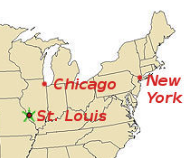
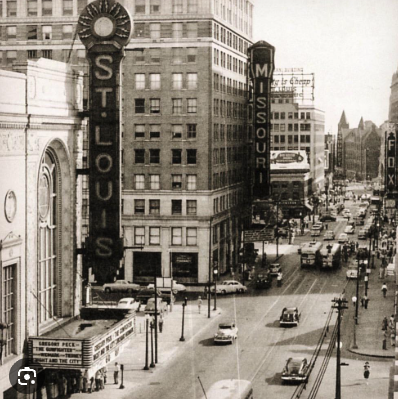
The city shapes the characters' experiences.
Neighborhoods, schools, and local customs influence how people see themselves and others.
Example: Moving between different parts of the city can expose Betsey to different social and racial realities. - 9. The novel reflects broader Civil Rights-era changes
The events of the book occur before many of the most famous Civil Rights Movement victories.
Readers can see ordinary people living through changes that would later become major historical milestones.
Example: Characters may not know how history will unfold, making their choices feel uncertain and realistic. - 10. Pay attention to Betsey's changing perspective
One of the most rewarding parts of the novel is watching how Betsey interprets events differently as she matures.
Example: An event that first seems confusing or unfair may later help her understand herself, her family, or society more deeply.
- 1. The story takes place during school desegregation in the 1950s