
Proulx, Annie: *1935
Brokeback Mountain, 1997 - Before Reading (AI Created)
- Reading the story is often richer if you know a few things about its setting, themes, and style beforehand.
- 1. It's a short story, not a full novel
The original 1997 work by Annie Proulx is relatively brief but emotionally dense.
What this means for readers:
- Proulx does not explain everything directly.
- Important emotions are often implied rather than stated.
- Small details can carry a lot of meaning.
Example: A character may describe weather, work, or a landscape instead of openly discussing feelings. Readers are expected to infer what lies beneath. - 2. The setting is the rural American West
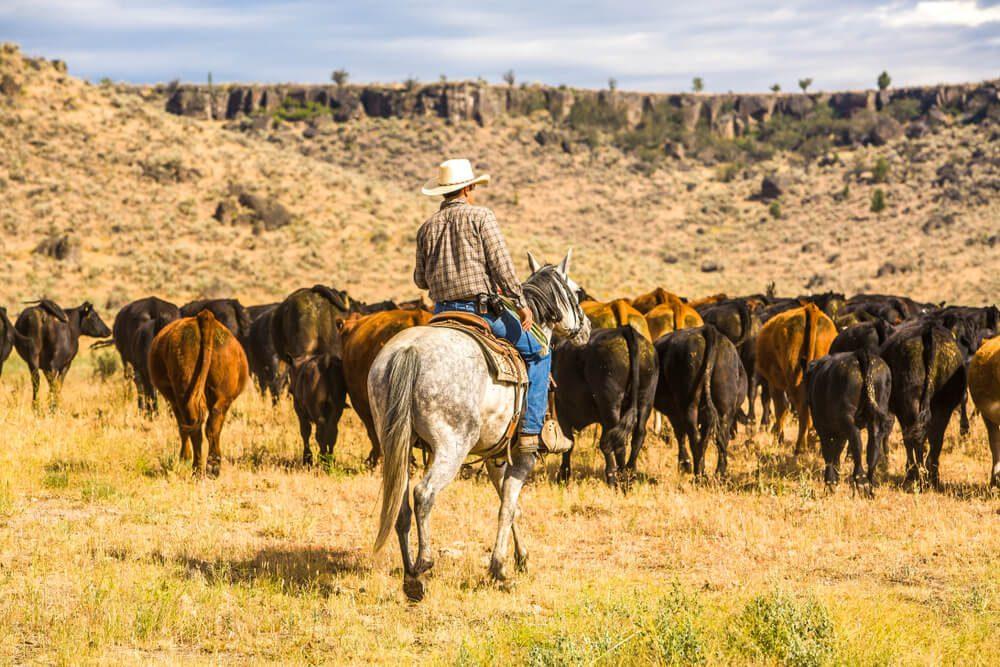
Most of the story takes place in and around the mountains and ranchlands of Wyoming.
Why it matters:
- The environment is isolated.
- Ranch work is physically demanding.
- Traditional ideas about masculinity are especially influential.
Example: Characters spend long periods working outdoors with livestock, far from towns and social support. - 3. Understanding cowboy culture helps
The story is not a romanticized "Wild West" adventure.
Instead, it portrays:
- Low-paying seasonal work
- Physical labor
- Economic insecurity
- Expectations about how men should behave
Example: A ranch worker may avoid discussing personal struggles because the culture values toughness and emotional restraint. - 4. The story explores love and social pressure
One of the central themes is the conflict between private feelings and public expectations.
The characters live during a period when same-sex relationships were far less accepted than they are in many places today.
Example: A person might fear losing employment, family relationships, or social standing if certain aspects of their identity become known. - 5. The historical period matters
The story begins in the 1960s and follows lives shaped by attitudes common in that era.
Things to keep in mind:
- Social acceptance was much lower.
- Legal protections were limited.
- Many people concealed parts of their personal lives.
This historical context helps explain decisions that may seem frustrating to modern readers. - 6. Nature is almost a character itself
The mountain landscape is more than a backdrop.
Example: The openness of mountains and wilderness often contrasts with the restrictions characters experience in everyday society.
Readers frequently notice that scenes in nature feel different from scenes in towns or domestic settings. - 7. Proulx's writing style can feel unusual
Many first-time readers are surprised by:
- Regional vocabulary
- Ranching terminology
- Compressed storytelling
- Long, information-rich sentences
Example: You may encounter references to livestock management, grazing, or ranch work without lengthy explanations.
Don't worry if you don't understand every ranching term immediately; the emotional meaning of the scene is usually clear from context. - 8. Themes to Watch For
As you read, pay attention to:
- Love and longing
- Isolation
- Masculinity
- Freedom versus obligation
- Memory
- The passage of time
- Social expectations - 9. A useful mindset going in
Rather than asking, "What happens?" try asking:
- What are the characters able to say openly?
- What do they keep hidden?
- How does the landscape affect their choices?
- What is gained or lost when people conform to social expectations?
Those questions often lead to the deepest reading of the story.
- 1. It's a short story, not a full novel